Okay, so the whole idea of showing women in ads is changing, right? It’s not just about pretty pictures anymore. By 2025, we’re seeing a big shift in how brands talk about female empowerment advertising. It’s less about just saying it and more about actually showing it. Think real stories, not just slogans. Plus, women are not just in front of the camera; they’re behind it, leading companies and making sure ads are fair and make sense for everyone. Young women are also a huge part of this, pushing brands to be more honest and sustainable. It’s a pretty big deal how much things are evolving.
Key Takeaways
- Advertising is moving past simple ‘pink marketing’ to focus on real stories and actions that show female empowerment, not just talk about it.
- Women in leadership roles are driving innovation in ad technology, pushing for more inclusive and empathetic approaches.
- Younger generations of women are influencing brands to adopt genuine values, sustainability, and inclusive practices.
- Female founders are redefining success by accessing more funding and using technology to build innovative businesses, especially in areas like sustainability and health.
- Marketers are learning to use data more ethically and empathetically, working with diverse groups to create ads that truly connect and reflect reality.
The Shifting Sands of Female Empowerment Advertising
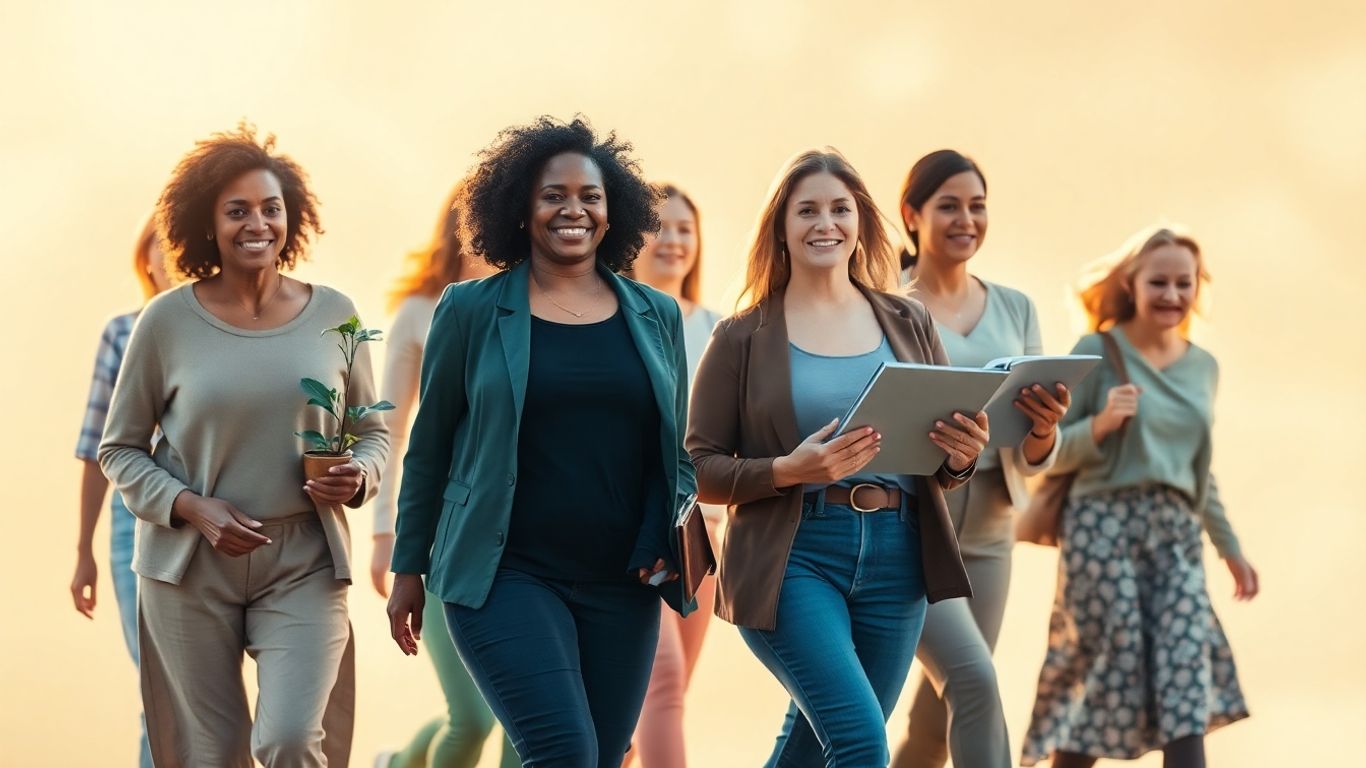
Remember when ads aimed at women were all about pastel colors and maybe a woman smiling while doing laundry? Yeah, those days are pretty much over. We’ve moved way past that simplistic ‘pink marketing’ stuff. Today’s women aren’t just looking for pretty pictures; they want brands that actually get them. They want to see real stories, not just polished perfection. It’s about brands showing they understand the ups and downs, the everyday wins and the tough days.
Authenticity Over Superficiality: Moving Beyond Pink Marketing
Brands are finally realizing that women are complex. We’re not just one thing. We’re juggling careers, families, personal goals, and everything in between. So, ads that just show a woman looking effortlessly happy while using a product feel a bit… hollow. The real deal is showing the effort, the learning, and sometimes, the messiness that comes with achieving something. It’s about being real, not just about being pretty.
Empowerment as a Call to Action, Not Just a Slogan
‘Empowerment’ has become a bit of a buzzword, hasn’t it? But when brands do it right, it’s more than just a catchy phrase. It’s about inspiring action. Think about campaigns that highlight women overcoming obstacles, whether it’s in sports, business, or just daily life. These ads don’t just tell women they’re strong; they show it, and they encourage viewers to tap into that strength themselves. It’s about making empowerment feel tangible, something you can actually do.
Highlighting Real Journeys: Struggles and Triumphs
We’re seeing more brands share the whole story. It’s not just about the final success; it’s about the path taken to get there. This means showing the hard work, the moments of doubt, and the sheer grit it takes to achieve goals. This kind of storytelling feels more relatable and builds a stronger connection because it acknowledges that life isn’t always easy. It celebrates resilience just as much as achievement.
Here’s a look at how this shift is playing out:
- Focus on Relatability: Ads are moving from aspirational ideals to relatable everyday experiences.
- Showcasing Vulnerability: Brands are becoming more comfortable showing the less-than-perfect moments.
- Celebrating Diverse Achievements: Recognition is given to a wider range of accomplishments, big and small.
The expectation now is for brands to reflect genuine human experiences, acknowledging both the challenges and the victories that shape women’s lives. This authenticity builds trust and a deeper connection than superficial portrayals ever could.
Women Leaders Driving Innovation in AdTech
Empathy and Inclusivity in Leadership
It’s pretty cool to see how women in leadership roles are changing the game in adtech. They’re not just focused on the bottom line; there’s a real emphasis on making sure everyone feels heard and valued. This means creating workplaces where people can actually be themselves and do their best work. It’s about building teams that reflect the real world, not just some narrow idea of who should be in charge. When leaders show they care about their people and create space for different ideas, that’s when the magic happens.
- Creating supportive work environments.
- Mentoring and developing diverse talent.
- Championing policies that support work-life balance.
True leadership in this space means lifting others up. It’s about building a culture where everyone has a chance to grow and contribute, making the whole industry stronger.
Challenging Norms and Creating Opportunities
Women at the top are shaking things up, and honestly, it’s about time. They’re questioning old ways of doing things and opening doors for others who might have been overlooked. This isn’t just about fairness; it’s about bringing new perspectives that lead to better ideas and solutions. Think about it: if everyone thinks the same way, you’re going to get the same old results. By challenging the status quo, these leaders are making space for fresh thinking and innovation that benefits everyone.
Ensuring AI Reflects Diverse Global Needs
Artificial intelligence is everywhere now, and it’s super important that it works for all of us. Women leaders are making sure that the AI tools being built in adtech aren’t just reflecting the biases of a small group. They’re pushing for AI that understands and serves a wide range of people, from different cultures and backgrounds. This means looking closely at the data used to train AI and making sure it’s fair and representative. The goal is to build AI that helps, not hinders, diverse communities.
| Area of Focus | Current State | Future Direction |
|---|---|---|
| AI Bias | Often reflects dominant perspectives | Actively seeking diverse datasets and testing |
| Inclusivity | Improving, but gaps remain | Prioritizing equitable outcomes for all users |
| Representation | Growing, but still needs work | Ensuring AI reflects global diversity in its outputs |
The Rise of Young Women Shaping Advertising’s Future
It’s pretty clear that younger women are not just watching the advertising world go by; they’re actively changing it. They’ve got a different set of priorities, and brands that want to connect with them need to pay attention. This isn’t about just slapping a pink filter on things anymore. It’s about brands showing they actually care about what matters to this generation.
Focusing on Real, Sustainable, and Inclusive Brand Values
Young women today are looking for brands that stand for something. They’re tired of empty promises and greenwashing. They want to see genuine effort towards sustainability, social responsibility, and true inclusivity. It’s about brands walking the walk, not just talking the talk. This means looking at everything from how products are made to how companies treat their employees and the wider community. A brand’s values need to be front and center, not hidden away in a tiny footnote. This is a big shift from just chasing the latest trend; it’s about building something that lasts and makes a positive impact. For brands trying to reach this demographic, understanding their motivations is key, as explored in a collaboration between Women’s Wear Daily and BCG investigating the motivations of today’s young consumers.
Partnering with Value-Aligned Influencers and Creators
Forget the mega-influencers who promote anything and everything. Young women are smart; they can spot a fake from a mile away. They connect with creators who genuinely share their values and live authentically. This means brands need to be picky about who they partner with. It’s not just about follower counts; it’s about finding people who have a real connection with their audience and whose personal brand aligns with the company’s message. When an influencer genuinely believes in a product or a cause, that authenticity shines through and builds trust. This is a much more effective way to build a loyal following than traditional advertising ever was.
Involving Youth in the Creative Process
Why guess what young women want when you can ask them? Brands are starting to realize the power of bringing younger voices into the room during campaign development. This isn’t just about getting feedback at the end; it’s about involving them from the ground up. This could mean focus groups, co-creation workshops, or even hiring young creatives. When young women feel like their opinions are heard and valued, they become more invested in the brand. It leads to more relevant, relatable, and ultimately, more successful campaigns. It’s a win-win: brands get better advertising, and young people get to shape the messages they see every day.
The advertising industry is finally catching on that young women aren’t just a target market; they’re active participants and powerful influencers. Their demand for authenticity, sustainability, and genuine connection is pushing brands to be better, more responsible, and more real in their communications. This generation is setting the standard for what advertising should be in the years to come.
Female Founders Redefining Entrepreneurial Success
It feels like every other day, we’re hearing about another woman launching a groundbreaking business. And honestly, it’s about time. For years, getting funding and just getting a foot in the door was a huge hurdle for women entrepreneurs. But things are really changing. By 2025, it’s clear that women aren’t just participating in the business world; they’re actively reshaping it.
Increased Access to Capital and Funding Initiatives
This is a big one. Remember when women-led businesses got a tiny fraction of venture capital? Well, that’s shifting. More funds and specific programs are popping up, all focused on supporting women founders. It’s not just about breaking down old barriers; it’s about creating new pathways. Crowdfunding platforms are also playing a huge role, letting women raise money directly from people who believe in their ideas. It’s a more direct way to get the support needed to get things off the ground.
Here’s a look at how funding is changing:
- Venture Capital Focus: More VC firms are actively seeking out diverse portfolios, meaning women-led startups are getting more attention.
- Angel Investor Networks: Groups are forming specifically to invest in women entrepreneurs.
- Crowdfunding Platforms: Tools like iFundWomen are making it easier for founders to connect with individual backers.
- Government & Institutional Support: New grants and initiatives are being launched to help women overcome traditional financial obstacles.
Leveraging Technology for Scalable Ventures
Technology is the great equalizer, isn’t it? Women founders are using advanced tools to build and grow their businesses faster and more efficiently than ever before. Think AI for web development, custom software solutions, and smart mobile apps. These aren’t just fancy gadgets; they’re tools that help create customer-focused products and streamline operations. This tech adoption means women-led businesses can compete on a global scale, making their models scalable and impactful.
Leading Innovation in Sustainability, Health, and Tech
It’s fascinating to see where women are making their mark. They’re not just entering existing markets; they’re creating new ones, especially in areas that matter for the future. Sustainability is a huge area, with women founders developing eco-friendly packaging, ethical supply chains, and renewable energy solutions. In health and wellness, personalized fitness, mental health platforms, and organic beauty products are booming, often led by women who understand specific needs. And in tech, from AI-driven solutions to blockchain applications, women are building platforms that solve real-world problems.
The entrepreneurial landscape in 2025 is increasingly defined by women who are not only building successful businesses but are also prioritizing purpose-driven innovation. They are demonstrating that profitability and positive societal impact can go hand-in-hand, setting a new standard for what it means to be a successful founder.
These women are showing us that entrepreneurship can be about more than just profit. It’s about building something meaningful, something that lasts, and something that makes a difference. And that’s a pretty inspiring trend to watch.
Building Inclusive Digital Solutions Through Diverse Perspectives
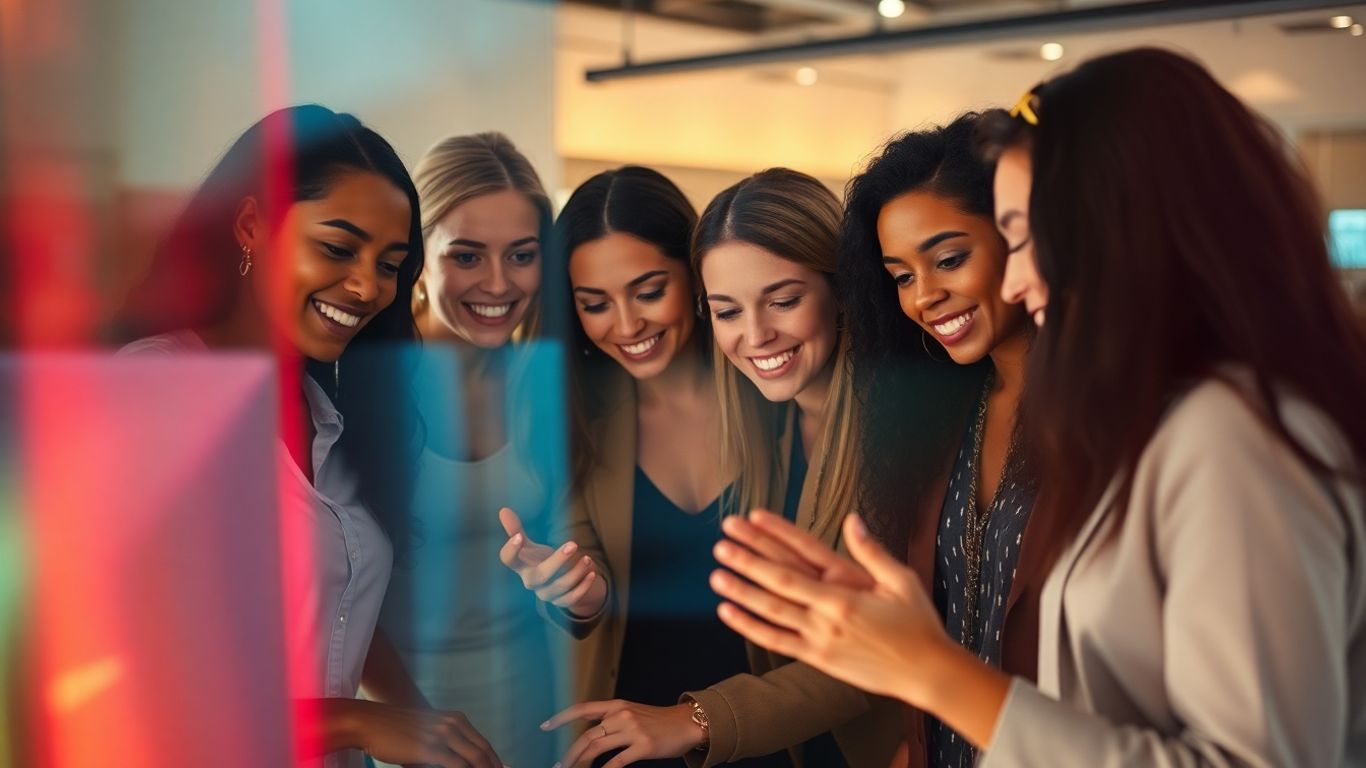
Creating More Accessible and Relevant Digital Products
It’s pretty wild how much the digital world has changed, right? Back in the day, it felt like everything was made for a pretty narrow group of people. But now, especially in 2025, we’re seeing a real push to make sure digital stuff works for everyone. This means thinking about people with different abilities, different backgrounds, and different ways of using technology. It’s not just about making things look pretty; it’s about making them actually usable. Think about websites that are easy to navigate for someone who can’t use a mouse, or apps that have clear language and don’t assume you know all the tech jargon. This shift is happening because more diverse voices are getting a say in how these products are built.
Inspiring Better Representation Across the Digital Landscape
We’re also seeing a big change in who’s actually in the ads and content we see online. For a long time, it felt like the same few types of people were always shown. Now, there’s a conscious effort to show a wider range of faces, body types, and life experiences. This isn’t just about ticking boxes; it’s about making people feel seen and understood. When you see yourself reflected in the digital world, it makes a difference. It tells you that you belong and that your story matters. This kind of representation helps break down old stereotypes and opens up new ways of thinking about who we are as a society.
Fostering Out-of-the-Box Thinking in AdTech
When you have teams made up of people with all sorts of different life experiences, they naturally come up with more creative ideas. It’s like having a bunch of different tools in a toolbox instead of just one. Someone who grew up in a different country might have a totally unique idea for reaching a certain audience, or someone with a background in a non-tech field might see a problem in a new light. This variety of thought is what really pushes the advertising technology industry forward. It stops everyone from thinking the same way and leads to genuinely new and interesting solutions that actually connect with people on a deeper level. It’s about building things that are not just functional, but also meaningful and relatable to a much wider group of people.
The move towards inclusivity in digital solutions isn’t just a trend; it’s a fundamental change in how we approach creation. It acknowledges that a wider range of perspectives leads to stronger, more relevant, and ultimately more successful products and campaigns. This means actively seeking out and valuing input from people who have traditionally been overlooked.
Here’s a look at how this is playing out:
- User Testing with Diverse Groups: Companies are actively seeking feedback from people with disabilities, different age groups, and various cultural backgrounds to identify usability issues early on.
- Content Audits for Bias: Regular reviews of ad creatives and digital content are being conducted to spot and remove unconscious biases or stereotypes.
- Inclusive Design Principles: Adopting design frameworks that prioritize accessibility, clarity, and cultural sensitivity from the initial stages of product development.
- Partnerships with Community Organizations: Collaborating with groups that represent diverse communities to gain insights and ensure products meet real-world needs.
Marketers Embracing Empathy and Ethical Data Practices
It feels like just yesterday that marketing to women was all about bright colors and simple messages. But things have really changed, haven’t they? Today’s women expect more. They want brands to actually get them, not just sell to them. This means marketers have to be way more thoughtful, especially about how they use data and show empathy.
Prioritizing Research and Understanding Evolving Needs
Brands that are doing well now are really digging into what women actually want. It’s not enough to guess. They’re spending time on research, talking to people, and looking at trends to figure out what’s important. This isn’t just about what products women buy, but also about their values and how they see the world. This deeper understanding is key to creating marketing that feels real and respectful.
Co-Creating Campaigns with Diverse Audiences
Think about it: why wouldn’t you ask the people you’re trying to reach what they think? Smart marketers are bringing women into the creative process. They’re asking for feedback on ideas, testing out campaign concepts, and even letting audiences help shape the final product. This makes sure the message lands right and feels authentic, not like something cooked up in a boardroom without a clue.
Aligning Marketing Messages with Corporate Actions
This is a big one. Women are noticing when a brand’s ads talk about one thing, but the company’s actions are totally different. If a brand is all about sustainability in its ads, but its factories are polluting, people see that disconnect. It’s about making sure what you say matches what you do. This builds trust, which is pretty hard to earn back once it’s gone.
In 2025, authenticity isn’t just a nice-to-have; it’s the foundation of any successful marketing strategy targeting women. Consumers are savvy and can spot insincerity from a mile away. True connection comes from brands that demonstrate genuine understanding and ethical practices in every interaction.
Here’s a quick look at what this shift means:
- Moving Beyond Stereotypes: Actively working to remove biased representations in ads and targeting. This means looking at the data critically and questioning assumptions.
- Privacy as a Priority: Being transparent about data collection and usage, and giving consumers control over their information. Women want personalized experiences, but not at the cost of their privacy.
- Building Trust: Consistently demonstrating ethical behavior and aligning marketing efforts with company values. This builds long-term loyalty.
It’s a lot more work, sure, but it’s the only way forward if brands want to build real relationships with women today.
Looking Ahead
So, what does all this mean for the future? It looks like things are really changing, and for the better. We’re seeing more women leading the way, not just in marketing but in business overall. They’re using new tech, focusing on what’s good for the planet, and building communities. It’s not just about selling stuff anymore; it’s about brands actually standing for something and connecting with people on a real level. Young women, especially, are pushing for this, and brands that listen and act will be the ones that stick around. It’s a big shift, and it feels like we’re just getting started.
Frequently Asked Questions
What does ‘pink marketing’ mean, and why are ads moving away from it?
Pink marketing used to be a way to target women by using typically ‘girly’ colors and themes. But now, ads are changing because people want more real and honest messages. They don’t want brands to just use pink or simple ideas; they want ads that show real life and respect women’s different experiences.
How are ads becoming more about taking action instead of just slogans?
Instead of just saying ‘girl power,’ ads are now showing how women can actually make a difference. They encourage viewers to join in, support causes, or take steps towards their own goals. It’s like the ad is saying, ‘Here’s how you can be strong and do something great,’ rather than just telling you to be strong.
Why is it important for ads to show women’s real struggles and successes?
Showing both the hard times and the good times makes ads more believable. When people see that successful women also faced challenges and worked hard, it makes their stories more inspiring. It shows that it’s okay to not be perfect and that overcoming difficulties is part of the journey.
How are women leaders changing the advertising world?
Women in charge are bringing new ideas and making sure everyone feels included. They are challenging old ways of doing things and creating chances for more people to succeed. They also make sure that new technology, like AI, is fair and helps all kinds of people, not just a few.
What do young women want from brands today?
Young women want brands to stand for things that are good for the planet and society. They like brands that are honest, care about the environment, and treat everyone fairly. They also prefer working with influencers who share these same values and want to be part of creating ads that matter.
How can marketers be more empathetic and use data responsibly?
Marketers are learning to really listen to what women need and want by doing research and talking to them. They are building diverse teams to get different ideas and working with customers to create ads. They also promise to use information about people wisely, without being creepy, and to make sure their ads match what the company actually does.