So, you’ve got this great idea, product, or service, and you want people to actually, you know, *do* something about it. That’s where a good call to action comes in. It’s basically telling folks what the next step is. Think of it like a signpost on a busy road. Without it, people might just drive past. We’re going to look at some call to action examples that have a proven track record of getting results. These aren’t fancy, just effective.
Key Takeaways
- Use clear action words like ‘Get’ or ‘Start’ to tell people exactly what to do.
- Adding a benefit, like ‘Free Guide,’ makes your call to action more appealing than just ‘Click Here.’
- Keep your call to action short and to the point, ideally just a few words.
- Make sure your call to action stands out visually from the rest of the page.
- Using social proof, like ‘Join 10,000+ Customers,’ can build trust and encourage clicks.
1. Get Started Free
Starting something new can feel like a big step, right? That’s why "Get Started Free" is such a powerful phrase. It basically tells people, "Hey, no strings attached, just give it a whirl." This kind of call to action is fantastic for software, online tools, or anything where you want people to try before they commit. It removes that initial hesitation, that little voice in your head asking, "What if I don’t like it?" or "What if it costs me money and I hate it?" By offering a free entry point, you’re essentially saying, "We’re confident you’ll like what you see, so much so that we don’t need your money upfront." It’s a low-risk way for potential customers to explore what you have to offer. Think about it like walking into a store and being offered a free sample – it’s a no-brainer. This approach is super effective for getting people to take that very first step, which is often the hardest part of any journey. It’s all about making that initial engagement as easy and appealing as possible.
Here’s why it works so well:
- Removes Financial Risk: People are more likely to try something new when they don’t have to pay for it immediately.
- Lowers Commitment Barrier: It feels less like a decision to buy and more like an exploration.
- Builds Trust: Offering a free start shows confidence in your product or service.
- Encourages Exploration: Users can freely test features and see the value for themselves.
This simple phrase is a gateway, inviting users to experience the benefits without any immediate pressure. It’s a smart way to get your foot in the door and let your product do the talking.
When you see "Get Started Free," it’s an invitation to explore without obligation. It’s a common tactic for many online services, from design platforms like Figma to various software solutions. It’s a straightforward way to encourage user engagement and see if what you offer is a good fit.
2. Start Your Free Trial Today
So, you’ve found something that looks interesting, maybe even something you think could really help you out. But you’re not quite ready to commit, right? That’s totally understandable. Nobody wants to jump into something without trying it first, especially when it comes to tools or services that promise to make your life easier or your business better.
This is where the free trial comes in. It’s like a test drive for software or a service. You get to play around with it, see all the features, and figure out if it actually does what it says on the tin. The key here is making it easy for people to take that first step.
Think about it: you’re browsing online, you see a cool new app or service, and there’s a button that says "Start Your Free Trial Today." That "Today" part? It adds a little nudge, a sense of immediacy. It’s not just "Start Free Trial," it’s "Today." It makes you feel like you should do it now, not later when you might forget or get distracted.
Here’s why this approach works so well:
- Lowers the Barrier: It removes the immediate pressure of buying. People can explore without feeling obligated.
- Builds Trust: It shows confidence in the product. If a company offers a trial, they likely believe their product will win you over.
- Creates Urgency: The word "Today" encourages immediate action, preventing procrastination.
It’s a simple phrase, but it’s powerful. It tells potential customers, "Give this a spin, see what it can do for you, and do it right now." It’s a win-win: you get to test the waters, and the company gets a chance to show you their best stuff.
3. Join 50,000+ Marketers Already Using Our Tool
It’s one thing to talk about how great a tool is, but it’s another thing entirely when you see a crowd of people already using it and getting results. That’s where social proof comes in, and honestly, it’s a pretty powerful motivator. When you see that over 50,000 marketers are already on board with this particular tool, it makes you think, "What am I missing out on?"
This isn’t just a random number; it represents a community of professionals who have likely faced similar challenges to yours and found a solution. They’ve probably tested it, integrated it into their workflows, and found it effective enough to stick with. Seeing this large number builds trust and reduces the perceived risk of trying something new. It suggests the tool is reliable, effective, and widely adopted within the industry.
Think about it: would you rather try a new app that only a handful of people have downloaded, or one that’s already being used by tens of thousands? The choice is usually pretty clear. This kind of endorsement speaks volumes about the practical value and proven results the tool delivers.
Here’s why this kind of social proof works so well:
- Reduces Uncertainty: It shows that others have taken the leap and found success, making your decision easier.
- Builds Credibility: A large user base often indicates a stable, well-supported product.
- Creates FOMO (Fear Of Missing Out): You might feel like you’re falling behind if you’re not part of the trend.
- Suggests Industry Standard: It can imply that this is the go-to solution for many in your field.
When you see a large number of people already benefiting from a product or service, it’s a strong signal that it’s worth investigating further. It’s like choosing a restaurant – a busy place usually means good food.
If you’re looking for ways to improve your marketing efforts, seeing that a significant number of your peers are already using a specific tool is a compelling reason to explore it. It’s a shortcut to identifying potentially effective solutions. You can explore other effective call-to-action examples designed to boost conversions here.
So, if you’re on the fence, remember that you’d be joining a large, established group of marketers who are likely already seeing positive outcomes. It’s a solid indicator that this tool could be the right fit for your needs too.
4. Download the Free Guide
So, you’ve got something valuable to share, huh? A guide, an ebook, a checklist – whatever it is, offering it for free is a smart move. It’s like leaving a little treat out for potential customers. They get something useful without having to pay, and you get their contact info. Pretty neat.
This is a classic lead generation tactic. It works because it lowers the barrier to entry. People are often hesitant to commit to buying something right away, but they’re usually happy to exchange their email address for helpful information. It’s a win-win.
Think about what kind of guide would really help your audience. Is it a "how-to" for a common problem they face? Maybe a list of "best practices" in your industry? Or perhaps a template they can use immediately?
Here’s a quick breakdown of why this works so well:
- Value Exchange: You give them something useful, they give you their attention (and contact details).
- Builds Trust: Providing free, quality content shows you know your stuff and are willing to help.
- Nurtures Leads: Once you have their email, you can start building a relationship and guiding them towards a purchase later on.
When you create your guide, make sure it’s genuinely helpful. Don’t just slap your logo on a few pages and call it a day. People can spot thin content a mile away. Aim for real substance that solves a problem or teaches something new.
So, when you’re ready to offer up your freebie, make the call to action clear. Something like "Download Your Free Guide Now" or "Get the Free Ebook" is usually best. Keep it simple and direct. People are busy, and they’ll appreciate not having to guess what you want them to do.
5. Subscribe for More Tips
Want to stay in the loop? Getting regular updates means you won’t miss out on the latest strategies and insights. It’s a simple way to keep your knowledge fresh without having to actively search for it.
Signing up for our newsletter is a quick and easy way to get valuable information delivered straight to your inbox. Think of it as a curated stream of helpful content, designed to give you an edge.
Here’s what you can expect when you subscribe:
- Exclusive Content: Get access to articles, tips, and resources not shared anywhere else.
- Timely Updates: Be the first to know about new features, industry trends, and special offers.
- Actionable Advice: Receive practical tips you can implement right away to improve your results.
It’s a great way to continuously learn and grow in your field. We focus on providing clear, straightforward advice that makes a difference. You can always unsubscribe if you decide it’s not for you, but most people find the regular tips quite useful for their work goals.
Staying informed is key in today’s fast-paced world. A good newsletter acts as a filter, bringing you the most important information without overwhelming you.
6. Create My Account

Ready to jump in? Creating an account is your first step towards accessing all the cool features we have to offer. It’s super quick and doesn’t cost a thing.
Don’t overthink it; just click the button and get started. We’ve made the process as simple as possible so you can spend less time signing up and more time doing what you came here for.
Here’s what you can expect:
- A straightforward sign-up form.
- Quick verification to secure your account.
- Immediate access to your new dashboard.
Think of it like getting your own key to a special club. Once you’re in, you’ll find everything organized and ready for you. No complicated steps, just a clear path forward.
Signing up is the gateway to personalized experiences and all the benefits that come with being a member. It’s designed to be easy, so you can start enjoying the advantages right away without any hassle.
So, go ahead and hit that ‘Create My Account’ button. We’re excited to have you on board!
7. Join 10,000+ Happy Customers
It’s always good to see that other people are happy with a product or service, right? When you see a number like "10,000+ happy customers," it tells you something. It means a lot of folks have already tried this out and, well, they liked it enough to stick around.
Think about it: why would so many people keep using something if it wasn’t working for them? This isn’t just a random number; it’s a sign of trust and satisfaction. It suggests that whatever is being offered has genuinely helped people achieve their goals or solve their problems.
Here’s what that number really means:
- Social Proof: It shows that others have taken the leap and found success. This can make you feel more comfortable trying it yourself.
- Reliability: A large customer base often points to a stable and dependable product or service.
- Community: You’re joining a group of people who are likely experiencing similar things or working towards similar objectives.
Seeing that a significant number of people are already benefiting from something can really ease any doubts you might have. It’s like looking at reviews, but on a much bigger scale.
So, when you see "Join 10,000+ Happy Customers," it’s not just a statistic. It’s an invitation to be part of a successful group. It’s a signal that this is a good choice, and you’ll likely be joining a community of satisfied users. It’s a pretty strong reason to click and see what all the fuss is about.
8. See Why Others Are Switching
Ever wonder what makes people jump ship from one service or product to another? It’s usually not just one thing, right? Often, it’s a mix of things that finally tip the scales. Maybe the old way just wasn’t cutting it anymore, or perhaps a competitor started doing something really, really well that was hard to ignore.
People switch when they see a clear benefit, something that makes their life easier or their results better. It could be a better price, a more user-friendly interface, or even just a company that seems to listen more. Think about it: if you’re struggling with a tool that’s clunky and slow, and you see a friend using something slick that gets the job done in half the time, you’re going to be curious.
Here are a few common reasons folks decide to make a change:
- Better Features: The new option simply does more or does things better.
- Improved User Experience: It’s easier to use, less confusing, and more intuitive.
- Cost Savings: The price is lower, or the value for money is significantly higher.
- Superior Support: When things go wrong, the help you get is faster and more effective.
- Innovation: The new product or service is ahead of the curve, offering something fresh.
It’s about finding that sweet spot where a product or service not only meets your needs but does so in a way that feels effortless and rewarding. When you see others finding that spot, it’s natural to want it for yourself.
So, when you see a call to action like "See Why Others Are Switching," it’s tapping into that natural curiosity and the desire to not be left behind. It suggests that there’s a compelling reason, backed by the experiences of many, to explore a different path. It’s an invitation to find out what you might be missing.
9. Used by Top Brands Worldwide
When you see big names using a particular tool or service, it’s a pretty good sign, right? It’s like seeing a famous chef use a specific knife – you just assume it’s good quality. That’s the idea behind this kind of call to action. It’s not just about saying our product is great; it’s about showing you that companies you already know and trust are using it.
Think about it. Brands like [Brand A], [Brand B], and [Brand C] are all on board. They’ve put their name behind it, and that means something. It suggests that whatever we’re offering has been vetted by people who really know their stuff and have high standards. They wouldn’t risk their reputation on something that doesn’t work.
This social proof is powerful. It cuts through the noise and gives you a shortcut to confidence. Instead of trying to figure out if it’s good, you can look at who’s already using it and feel more comfortable giving it a try yourself. It’s a way of saying, “Hey, if it’s good enough for them, it’s probably good enough for me.”
This approach taps into our natural tendency to follow the crowd, especially when the crowd consists of successful and reputable entities. It simplifies the decision-making process by providing a strong, external validation.
Here’s why it works so well:
- Trust Factor: Big brands have a lot to lose, so their adoption signals reliability.
- Quality Assurance: It implies the product or service meets high industry standards.
- Reduced Risk: Seeing familiar names makes the decision to try something new feel safer.
- Aspiration: It can align the user with the success and prestige of these brands.
10. Sign Up for OptinMonster Now
Ready to put all those great call-to-action ideas into practice? Signing up for OptinMonster is your next step. It’s a tool that helps you create all sorts of pop-ups, floating bars, and other forms to capture leads and boost conversions on your website. Think of it as your digital assistant for getting more people to click.
Why jump on board now? Well, OptinMonster is designed to be pretty straightforward. You don’t need to be a coding wizard to get it working. They offer templates and a drag-and-drop editor, which makes building those attention-grabbing forms much less of a headache. Plus, it integrates with a bunch of other services you might already be using, like email marketing platforms.
Here’s a quick look at what you can do:
- Create targeted campaigns based on visitor behavior.
- Design eye-catching pop-ups and forms.
- Get detailed analytics to see what’s working.
- Recover abandoned carts with specific offers.
It’s really about making your website work harder for you. Instead of just hoping people will sign up or buy, you can actively encourage them with well-placed calls to action. OptinMonster gives you the tools to do just that.
Getting started is simple. You can choose a plan that fits your needs and begin implementing these strategies right away. It’s about taking action and seeing results.
11. Buy Now
This is about as direct as it gets. "Buy Now" is a classic for a reason, especially in e-commerce. It tells people exactly what to do and what they’ll get.
It works because it’s simple and leaves no room for confusion. When someone clicks "Buy Now," they expect to be taken directly to a checkout page or a place where they can finalize their purchase. It’s a strong signal of purchase intent.
Think about it: you’ve browsed, you’ve compared, and now you’re ready. A "Buy Now" button cuts through the noise and gets you to the finish line.
When to use it:
- Direct product sales pages
- Checkout pages
- Promotional offers where immediate purchase is the goal
It’s not really for lead generation or getting people to sign up for a newsletter. This is for when the deal is done and it’s time to pay.
The key is to make sure the user’s journey from seeing the "Buy Now" button to completing their purchase is as smooth as possible. Any friction here, like a complicated checkout process, can cause people to abandon their cart, even after they’ve shown clear intent to buy.
12. Get Yours Today
This is a straightforward call to action, and that’s often its strength. It’s direct, clear, and tells the user exactly what you want them to do. Think of it like a friendly nudge, saying, "Hey, this is available, and you can have it right now." It works because it removes ambiguity. There’s no confusion about the next step.
It’s particularly effective when you’ve already built up some interest. Maybe someone just finished reading about a product’s benefits or saw a compelling demo. At that point, they’re ready to act, and "Get Yours Today" is the perfect prompt to seal the deal.
Consider using it in these situations:
- After showcasing a new product or a limited-edition item.
- When a special offer is about to expire.
- On product pages where the user is clearly ready to purchase.
- In follow-up emails after a customer has shown interest.
It’s a versatile phrase that can be adapted for many scenarios. The key is to make sure the user knows what "yours" refers to and why they should get it today. Adding a little extra context, like "Get Your Limited Edition Mug Today!" or "Get Your Free Sample Today!" can make it even more persuasive. It’s about making the desired action feel immediate and attainable.
13. Add to Cart
The "Add to Cart" button is a pretty big deal in online shopping. It’s that moment when someone decides they’re actually going to buy something. It’s direct, it tells people exactly what to do, and everyone knows what it means.
Think about it: you’re browsing, you find something you like, and then you see that button. It’s the gateway to checkout. Making it clear and easy to find is super important for any online store.
Here’s why it works so well:
- Clear Intent: It signals the customer’s decision to purchase.
- Action-Oriented: It’s a direct command that prompts immediate action.
- Universal Understanding: It’s a standard button across most e-commerce sites.
Sometimes, you see variations that try to be a bit more creative, like "Add to Bag" or "Add to Basket." These can work too, depending on your brand’s voice. But the classic "Add to Cart" is a solid choice because it’s so widely recognized. It’s a key step in getting people to complete their purchase, and you can find some really cool examples of how companies design these buttons to stand out, like the "Funky Moose Add to Cart Button" example.
This button is more than just a click; it’s a commitment from the shopper. Making it prominent and easy to use can significantly impact your sales figures.
When a customer clicks "Add to Cart," they’ve moved past just browsing. They’re showing real interest, and your job is to make that next step as smooth as possible. It’s a simple phrase, but it carries a lot of weight in the online sales process.
14. Shop Our Sale
Who doesn’t love a good deal? When you see a sale, it’s like a little jolt of excitement, right? It means you can get something you’ve been eyeing, or maybe try something new, without feeling that pinch in your wallet quite so much.
Our sales are designed to give you the best value. We’re talking about real savings on items you’ll actually want.
Here’s what you can expect:
- Limited-time discounts: These won’t last forever, so you’ll want to act fast.
- Bundled offers: Sometimes we put together packages that give you even more for your money.
- Seasonal markdowns: Keep an eye out for special pricing during holidays or specific times of the year.
Don’t miss out on these opportunities to save. It’s a great way to stock up or grab that item you’ve been thinking about. Check out what’s on sale right now and see if your favorite product made the list. You might be surprised at the savings you can find when you shop our sale today.
15. Claim Your Discounted Item
Sometimes, you just want a good deal, right? That’s where a call to action like "Claim Your Discounted Item" comes in. It’s direct, it tells people exactly what they’re getting, and it creates a sense of opportunity.
This kind of CTA is perfect when you’re running a sale or have a special offer that’s not quite a clearance event but still a great price. It signals to potential customers that there’s a specific, limited-time opportunity to save money on a particular product or set of products.
Think about it: you’re browsing online, maybe you’ve got a few things in mind, and then you see it. A button that says "Claim Your Discounted Item." It’s like a little nudge, a friendly reminder that you can get what you want for less. It’s not just about the discount itself, but the feeling of getting a smart deal.
Here’s why it works so well:
- Clarity: No guessing games here. People know they’re about to get a discount.
- Urgency (Implied): While not explicitly stated, "claim" suggests it’s something you need to act on.
- Value Proposition: It clearly communicates that the item has a reduced price.
This type of call to action is particularly effective for products that might otherwise be overlooked. It gives them a spotlight and a reason to be purchased now rather than later.
It’s a simple phrase, but it packs a punch. It’s the digital equivalent of finding a hidden gem at a great price. So, when you’ve got something special to offer, don’t be shy – let people know they can claim it!
16. Take Advantage of Our Sale
Sales are a fantastic way to grab attention and get people to act. When you’ve got a sale running, you want to make sure your call to action really pops and tells people exactly what they’re missing out on.
Think about it – a good sale isn’t just about lowering prices; it’s about creating a sense of opportunity. People like feeling like they’re getting a good deal, and a well-placed CTA can make all the difference in turning a browser into a buyer.
Here are a few ways to frame your sale CTAs:
- Grab Your Discount Now: This is direct and tells people exactly what to do to get the savings.
- Don’t Miss This Limited-Time Deal: This adds a touch of urgency, making people feel like they need to act fast.
- Save Big Before It’s Too Late: Similar to the above, this emphasizes the savings and the time limit.
Sometimes, adding a little extra detail can help too. For example, if you’re offering a percentage off, you could say "Get 20% Off Your Order." If it’s a specific product on sale, "Claim Your Discounted Item" works well.
The key is to be clear about the benefit and create a little nudge to encourage immediate action. People are more likely to click when they know exactly what they’re getting and when they feel a slight push to act quickly before the opportunity disappears. It’s a simple psychological trick that really works for driving sales.
17. Get Your Hands on It Now
You’ve seen it, you’ve liked it, and now you’re ready to make it yours. That’s where "Get Your Hands on It Now" comes in. It’s a direct, energetic call to action that tells people exactly what to do next.
This phrase works because it creates a sense of immediacy and personal ownership. It’s not just about buying something; it’s about possessing it. Think about that new gadget you’ve been eyeing or that limited-edition item you don’t want to miss out on. This CTA taps into that feeling of wanting something right away.
Here’s why it’s effective:
- Action-Oriented: It clearly tells the user what action to take.
- Urgency: The word "Now" implies that this is the time to act.
- Personal Connection: "Your Hands" makes it feel personal and tangible.
When you use this CTA, make sure the product or offer is something people will genuinely want to grab quickly. It’s perfect for:
- New product launches
- Limited-time deals
- Exclusive items
This kind of CTA is great for when you want to move people from browsing to buying without a lot of fuss. It’s about making that final push to get them to commit.
It’s a simple phrase, but it packs a punch. It’s about making that final step easy and exciting for the customer. So, if you’ve got something hot that people will want, don’t be afraid to tell them to "Get Your Hands on It Now".
18. Buy One, Get One Free
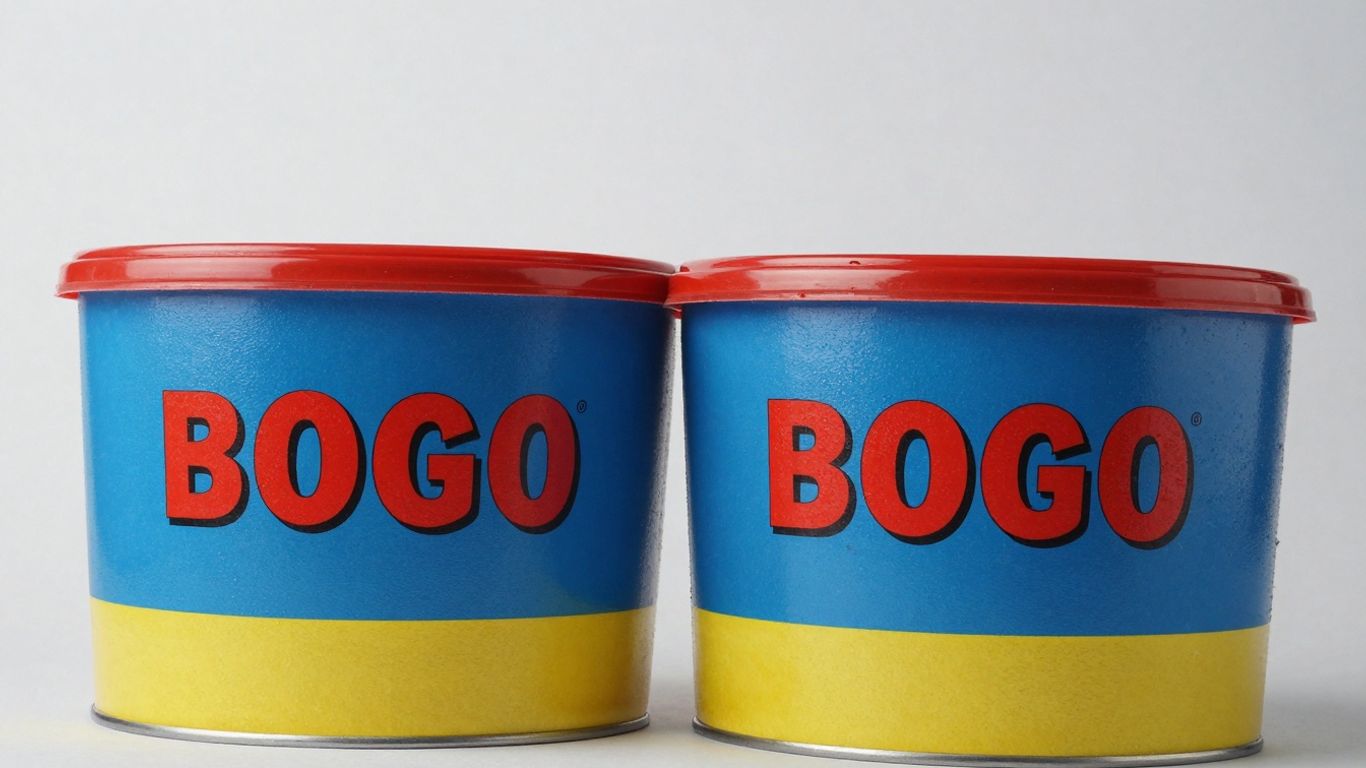
Who doesn’t love a good deal? The ‘Buy One, Get One Free’ (BOGO) offer is a classic for a reason. It’s a straightforward way to add perceived value and encourage customers to purchase more than they might have initially planned.
This type of promotion is fantastic for clearing out inventory, introducing new products, or simply rewarding loyal customers. It taps into that feeling of getting something extra, making the purchase feel like a win.
It’s a powerful incentive because it directly addresses the customer’s desire for more for less.
Here’s why BOGO works so well:
- Increased Perceived Value: Customers feel like they’re getting a significant discount, even if the original price was slightly inflated.
- Higher Average Order Value: It naturally encourages customers to buy two items instead of one, boosting your sales figures.
- Inventory Management: It’s an excellent strategy for moving stock, especially items that are nearing their expiration or are seasonal.
- Customer Acquisition: A compelling BOGO deal can attract new customers who might be on the fence.
When implementing a BOGO offer, make sure the terms are clear. Are both items the same? Is it the cheaper item that’s free? Clarity prevents confusion and builds trust. You might also consider pairing a popular item with a less popular one to help move slower stock. It’s a smart way to introduce customers to a wider range of your products. For example, you could offer a BOGO on your best-selling coffee beans, with the free item being a new blend you want to promote. This strategy can be particularly effective for last-chance email campaigns where urgency meets value.
BOGO offers are a simple yet effective way to drive sales and make customers feel like they’re getting a fantastic deal. Just be sure to communicate the offer clearly and strategically.
19. Claim Your Deal
This one is all about making people feel like they’re getting something special, something just for them. When you use "Claim Your Deal," you’re telling your audience that there’s a specific offer waiting, and they need to take a small action to get it. It’s not just a generic "sale"; it’s their deal.
Think about it. "Claim" sounds active, like they’re earning it. It implies a bit of exclusivity, even if the deal is available to everyone. It’s a great way to push someone who’s on the fence to actually click that button.
Here’s why it works so well:
- Creates a sense of ownership: The word "your" makes it personal.
- Implies a limited-time opportunity: Deals often don’t last forever, and this CTA hints at that.
- Encourages immediate action: People don’t want to miss out on something they can "claim."
This kind of call to action is particularly effective when you have a specific promotion running, like a discount code, a bundled offer, or early access to something new. It’s direct and tells the user exactly what to expect – a reward for their click.
For example, you might see this used with phrases like:
- Claim Your 20% Off Coupon
- Claim Your Free Shipping
- Claim Your Early Bird Discount
It’s a simple phrase, but it packs a punch because it taps into that human desire to get a good deal and feel like you’re getting one over on the system, even just a little bit.
20. Stock Up and Save
When you find a product or service you really like, it makes sense to buy more of it, right? Especially if it means you pay less per item. That’s where "Stock Up and Save" comes in. It’s a call to action that tells people they can get a better deal by buying in larger quantities.
Think about it: you get more of what you want, and your wallet thanks you. It’s a win-win. This kind of CTA works really well for things people use regularly, like coffee, cleaning supplies, or even software subscriptions.
Here’s why it’s a good move:
- Cost Savings: The most obvious benefit. Buying more usually means a lower price per unit.
- Convenience: Less frequent trips to the store or fewer online orders.
- Guaranteed Supply: You won’t run out of your favorite item when you need it most.
It’s a simple message, but it taps into a basic desire: getting more for your money. It encourages customers to think long-term and commit to a larger purchase.
This approach is great for building customer loyalty. When people feel they’re getting a good deal by stocking up, they’re more likely to come back to you for future purchases, rather than looking for a cheaper, one-off deal elsewhere.
21. Buy More, Save More
This is a classic sales tactic, and for good reason. When customers see that they can get a better deal by purchasing more items, they’re often more likely to do just that. It’s a win-win: they feel like they’re getting a bargain, and you increase your sales volume and average order value.
Think about it – who doesn’t like saving money? This type of call to action taps into that desire directly. It’s not just about buying a product; it’s about making a smart purchase that offers better value.
Here are a few ways to structure this kind of offer:
- Tiered Discounts: Offer increasing discounts as the quantity goes up. For example, "Buy 2, Get 10% Off; Buy 3, Get 15% Off."
- Bundles: Create product bundles where buying multiple items together is cheaper than buying them separately. "Get the Complete Set and Save 20%."
- Volume Pricing: Clearly show the price per unit decreasing with larger orders. This is common for things like printing services or wholesale goods.
The key is to make the savings obvious and appealing. Don’t just say "Buy More, Save More." Show them how much they’ll save and why it’s a good deal for them.
This approach works because it shifts the focus from a single transaction to a larger purchase decision. Customers start thinking about future needs or stocking up, which can lead to bigger sales for your business.
22. Get the Best Value
Sometimes, people aren’t just looking for a product; they’re looking for a deal. "Get the Best Value" taps into that desire for smart spending. It suggests that by choosing this option, customers are making a financially sound decision, getting more bang for their buck.
This kind of call to action works because it speaks directly to a common consumer motivation: getting the most for their money. It implies a comparison has been made, and this particular choice comes out on top. It’s not just about a low price; it’s about the overall benefit received relative to the cost.
Consider how this might play out:
- Bundled Offers: Presenting a package deal where buying multiple items together saves money compared to purchasing them individually.
- Tiered Pricing: Showing different levels of service or product features, with the "best value" tier offering a significant advantage over lower tiers.
- Limited-Time Promotions: Highlighting a special offer that provides extra benefits or a reduced price for a short period.
When you frame an offer as "best value," you’re not just selling a product; you’re selling smart decision-making. It reassures the customer that they’re making a wise choice, which can be a powerful motivator to click.
Think about it like this: if you’re at a grocery store and see two options for cereal, one is a small box for $3, and the other is a larger box for $4 that clearly states "Best Value." Most people will grab the larger box, right? It’s the same principle online. You’re signaling that this is the smart pick.
23. Upgrade Your Purchase
So, you’ve made a purchase, and you’re happy with it. That’s great! But what if you could get even more out of it? That’s where the "Upgrade Your Purchase" call to action comes in. It’s not just about selling more; it’s about offering your customers a better experience or more value.
Think about it. Maybe your customer bought a basic software package. An upgrade could mean unlocking advanced features, getting more storage, or receiving priority support. For a physical product, an upgrade might be adding accessories, extending the warranty, or getting a premium version.
This is a fantastic way to increase customer lifetime value and satisfaction. When done right, it feels like a win-win. The customer gets something better, and you build a stronger relationship.
Here are a few ways to think about offering upgrades:
- Add-ons: Offer complementary items that enhance the original purchase. Think phone cases for a new phone, or a special cleaning kit for new shoes.
- Tiered Features: If you sell a service or software, offer different levels. A basic plan is good, but a "Pro" or "Premium" plan offers more power and functionality.
- Extended Services: Things like extended warranties, installation help, or personalized setup can be great upsells.
- Bundles: Sometimes, bundling a few related items together at a slightly higher price than the original item alone can be very appealing.
The key is to make the upgrade feel like a natural next step, not a pushy sales tactic. It should solve a problem or fulfill a desire the customer might not have even realized they had yet.
When you present these options, be clear about what the customer gains. Use phrases like "Get More Features," "Unlock Premium Benefits," or "Take Your Experience to the Next Level." It’s all about showing them the extra value they’re getting.
24. Don’t Miss This Offer
You know that feeling when something really good is about to end, and you just have to grab it? That’s the vibe we’re going for here. This isn’t just any offer; it’s a chance to get something special, something you might regret not taking if you wait too long.
Think about it. We’ve put together something pretty great, and we want you to be a part of it. Whether it’s a discount, early access, or a unique package, this is your moment to snag it.
Here’s why you should pay attention:
- Limited Availability: These kinds of deals don’t stick around forever. Once they’re gone, they’re gone.
- Exclusive Value: You’re getting something that’s not always available, offering a unique benefit.
- Smart Decision: Acting now means you get the advantage before others do.
This is your cue to act. Don’t let this opportunity slip through your fingers. It’s designed to give you a clear advantage, and waiting might mean missing out on the best part.
So, what are you waiting for? Take advantage of this offer right now before it disappears. It’s a simple click that could make a big difference for you.
25. Invest in Your Future and more
Thinking about the long game? That’s smart. Making an investment in something that pays off down the road, whether it’s learning a new skill, improving your health, or building a business, is a solid move. It’s not just about the immediate benefit; it’s about setting yourself up for better things later.
When you see a call to action like "Invest in Your Future," it’s usually pointing you toward something that promises growth or lasting value. It could be a course, a financial product, or even a service that helps you develop. The key is that it’s framed as something that builds on itself.
Here are a few ways to think about what "investing in your future" might look like:
- Skill Development: Taking courses, attending workshops, or getting certifications that make you more marketable or capable.
- Financial Planning: Setting up retirement accounts, starting to invest, or getting advice on managing your money.
- Health and Wellness: Committing to a fitness routine, improving your diet, or seeking mental health support.
- Personal Growth: Reading books, practicing mindfulness, or working on habits that lead to a more fulfilling life.
This kind of call to action taps into a desire for self-improvement and long-term security. It suggests that the action you take now will have positive ripple effects for years to come, making it a compelling reason to click.
It’s about more than just a quick win; it’s about building something substantial. So, when you see that prompt, consider what future you’re building and if this is the right step to take.
Ready to Get More Clicks?
So, we’ve gone through a bunch of ways to get people to click. It’s not just about slapping a button on a page, you know? It’s about making it clear what you want them to do and why they should do it. Using words that make them feel like they’re getting something, or that time is running out, can really make a difference. And don’t forget to test things out! What works for one site might not work for another. Keep trying different phrases, different looks, and see what gets the best response from your audience. It’s all about guiding them to that next step, whatever that might be for your business.
Frequently Asked Questions
What exactly is a call to action (CTA)?
A call to action, or CTA, is like a signpost for your website visitors. It tells them what you want them to do next, whether that’s buying something, signing up for a newsletter, or downloading a freebie. Think of it as the next step you want them to take.
Why are CTAs important for a website?
CTAs are super important because they guide people. Without them, visitors might not know what to do and could just leave. Good CTAs help turn interested visitors into customers or subscribers, which is the main goal for most websites.
What makes a CTA effective?
An effective CTA is usually short, uses action words (like ‘Get’ or ‘Start’), and clearly tells people what they’ll get. It should also stand out visually, maybe with a bright color, so it’s easy to spot. Making it clear and valuable helps a lot.
Should I use ‘free’ in my CTAs?
Using the word ‘free’ can be very powerful because it removes the risk for the customer. CTAs like ‘Get Started Free’ or ‘Download Your Free Guide’ often work well because they offer something without asking for anything in return upfront.
How can I make sure my CTA works on phones?
Since most people use phones these days, your CTA buttons need to be easy to tap with a thumb. They shouldn’t be too small or too close to other buttons. Making sure your website is mobile-friendly is key for your CTAs to work well everywhere.
What’s the best place to put a CTA on a page?
CTAs usually work best when they are easy to see. Putting them near the top of a page or after you’ve given some good information is a common strategy. Sometimes, repeating the CTA in different spots can also help people find it.