Augmented reality, or AR, is changing how we see things, especially in marketing. It’s not just a cool new trick anymore. Brands are using it to let people try things out before they buy, tell better stories, and just generally make shopping more fun. This article looks at some smart ways companies are using augmented reality marketing campaigns that really work, going beyond just the hype to show what’s actually happening.
Key Takeaways
- Augmented reality marketing campaigns let customers interact with products in new ways, like seeing how furniture looks in their room before buying.
- Brands are using AR on social media with filters and lenses to get people involved and sharing content, which helps spread the word.
- AR campaigns can lead to more people wanting to buy and fewer people returning items because they made a more informed choice.
- Successful augmented reality marketing campaigns often use familiar platforms like social media or out-of-home ads with a digital twist.
- Looking ahead, AR will likely get mixed with other new tech and become even more personalized for customers.
Transforming Customer Engagement with Augmented Reality Marketing Campaigns
Augmented Reality (AR) is really changing how brands connect with people. It’s not just a flashy new toy anymore; it’s becoming a serious tool for making customers feel more involved. Think about it – instead of just looking at a flat picture of a couch, you can use your phone to see how it would actually look in your living room. That’s AR in action, and it makes a huge difference.
Enhancing the Pre-Purchase Experience Through AR
Buying things online can be a bit of a gamble, right? You see something you like, but you’re never quite sure if it’s really what you want until it shows up at your door. AR is stepping in to fix that. It lets people try things out virtually before they even think about clicking "buy." This means fewer surprises and a lot more confidence for the shopper. It’s like having a personal showroom right in your pocket.
- Virtual Try-Ons: Imagine trying on clothes or makeup without leaving your house. Brands are using AR to let customers see exactly how a product will look on them, leading to more confident purchases.
- Product Placement: For items like furniture or decor, AR apps allow users to place virtual versions of products in their own space. This helps visualize size, style, and fit, making the decision-making process much easier.
- Interactive Manuals: Instead of dense instruction booklets, AR can overlay instructions directly onto a product, showing users how to assemble or use it step-by-step.
AR bridges the gap between online browsing and real-world experience, giving customers a tangible sense of a product before commitment.
Creating Immersive Brand Narratives with AR
Brands have stories to tell, and AR offers a whole new way to tell them. It’s about pulling people into the brand’s world, not just showing them an ad. When a customer can interact with a brand’s story in a meaningful way, it sticks with them. This creates a much deeper connection than traditional advertising ever could.
- Gamified Experiences: AR can turn marketing into a game, encouraging exploration and interaction with brand elements in the real world.
- Storytelling Layers: Brands can add digital layers to physical locations or products, revealing hidden content, history, or special messages.
- Virtual Events: AR can bring events to life, allowing remote attendees to experience a sense of presence and interaction.
Leveraging AR for Unprecedented Product Visualization
Seeing is believing, and AR takes this to a whole new level. It allows for a level of product visualization that was previously impossible. Customers can explore products from every angle, see them in different contexts, and understand their features in a way that static images or videos just can’t match. This clarity is a big deal for both the customer and the brand.
| Feature | Traditional Marketing | Augmented Reality Marketing |
|---|---|---|
| Product Visualization | Limited (2D images) | Interactive (3D models) |
| Contextualization | Generic settings | User’s environment |
| Customer Engagement | Passive | Active and immersive |
| Purchase Confidence | Moderate | High |
This kind of visualization doesn’t just look cool; it directly impacts how people feel about buying. When you can really see what you’re getting, you’re much more likely to go through with it. It’s about making the abstract concrete, and that’s a powerful marketing move.
Innovative Augmented Reality Marketing Campaigns in Action
Okay, so we’ve talked about why AR marketing is a good idea, but let’s get real and look at some brands that actually did it and saw some cool results. It’s one thing to say AR can do amazing things, but it’s another to see it in practice, right? These examples show how companies are using this tech to connect with people in new ways.
IKEA Place: Revolutionizing Home Furnishing Visualization
Remember trying to figure out if that new couch would actually fit in your living room? IKEA tackled this head-on with their IKEA Place app. It lets you virtually place IKEA furniture in your own space using your phone’s camera. You can see how different pieces look, check the scale, and even try out different colors. It’s like having a digital showroom right in your house. This isn’t just a fun gimmick; it helps people make better decisions before buying, which means fewer returns for IKEA and happier customers.
L’Oréal’s Makeup Genius: Virtual Try-Ons Driving Conversions
Trying on makeup in a store can be a bit of a hassle, and let’s be honest, sometimes you just want to try it at home. L’Oréal’s Makeup Genius app lets you do just that. You can virtually try on different shades of lipstick, eyeshadow, and more, seeing how they look on your face in real-time. This kind of interactive experience makes shopping more fun and personal. It’s a smart way to boost sales because people feel more confident about their choices when they can "try before they buy" digitally.
Pepsi Max’s Bus Shelter: Viral Out-of-Home AR Experiences
This one was pretty wild. Pepsi Max set up a bus shelter that looked normal from one angle, but when people looked through it, they saw all sorts of crazy things happening – like a tiger walking by or a meteor crashing! It turned a boring everyday experience into something unexpected and shareable. The "unbelievable" bus shelter campaign went viral, racking up millions of views online. It showed how AR can transform public spaces and create buzz that spreads far beyond the physical location.
Social Media’s Role in Amplifying Augmented Reality Marketing Campaigns

Social media platforms have become a natural home for augmented reality (AR), and it’s easy to see why. Engagement is king on these sites, and AR offers a fresh way to grab attention. Brands are finding that AR filters and lenses aren’t just fun extras; they’re powerful tools for getting people involved.
Snapchat and Instagram Filters: Driving User-Generated Content
Think about those fun filters you see on Snapchat and Instagram. They let you try on silly hats, add virtual makeup, or even transform your surroundings. For marketers, this is gold. When users play with a branded AR filter, they’re essentially creating content for the brand. It’s a fantastic way to get people talking and sharing, turning everyday users into brand advocates. This kind of user-generated content is often more trusted than traditional ads. Plus, it spreads the brand’s message organically to new audiences.
AR Lenses for Interactive Brand Storytelling
Beyond simple filters, AR lenses offer deeper storytelling possibilities. Imagine a brand launching a new movie. They could create an AR lens that lets users step into a scene from the movie, interacting with virtual characters or objects. This isn’t just passive viewing; it’s an active experience that sticks with people. It makes the brand’s narrative come alive in a way that photos or videos alone can’t quite capture. This kind of interactive storytelling can really make a brand memorable.
Measuring Engagement Beyond Traditional Metrics
When it comes to AR on social media, we need to look at engagement differently. Sure, likes and shares are still important, but AR campaigns open up new ways to measure success. We can track how many people used a filter, how long they used it, and how many times they shared content created with it. This gives us a much richer picture of how people are interacting with the brand. It’s about quality of interaction, not just quantity of views. For example, a campaign might see fewer shares but much longer engagement times per user, indicating a deeper connection. This shift in measurement helps us understand the real impact of AR marketing. Influencers are also a big part of this, helping to drive adoption and engagement with these new AR experiences.
The beauty of AR on social media is its accessibility. Most people already have smartphones, and these platforms make it incredibly easy to access and share AR content. This lowers the barrier to entry for both brands and consumers, making it a highly effective channel for widespread campaign reach and participation.
Here’s a quick look at how AR filters can boost engagement:
- Increased Shareability: AR content is inherently more interesting to share.
- Extended Usage Time: Users often spend more time interacting with AR filters.
- Brand Association: Users directly associate the fun experience with the brand.
- Data Collection: Provides insights into user preferences and behavior.
Beyond the Hype: Tangible Benefits of Augmented Reality Marketing Campaigns
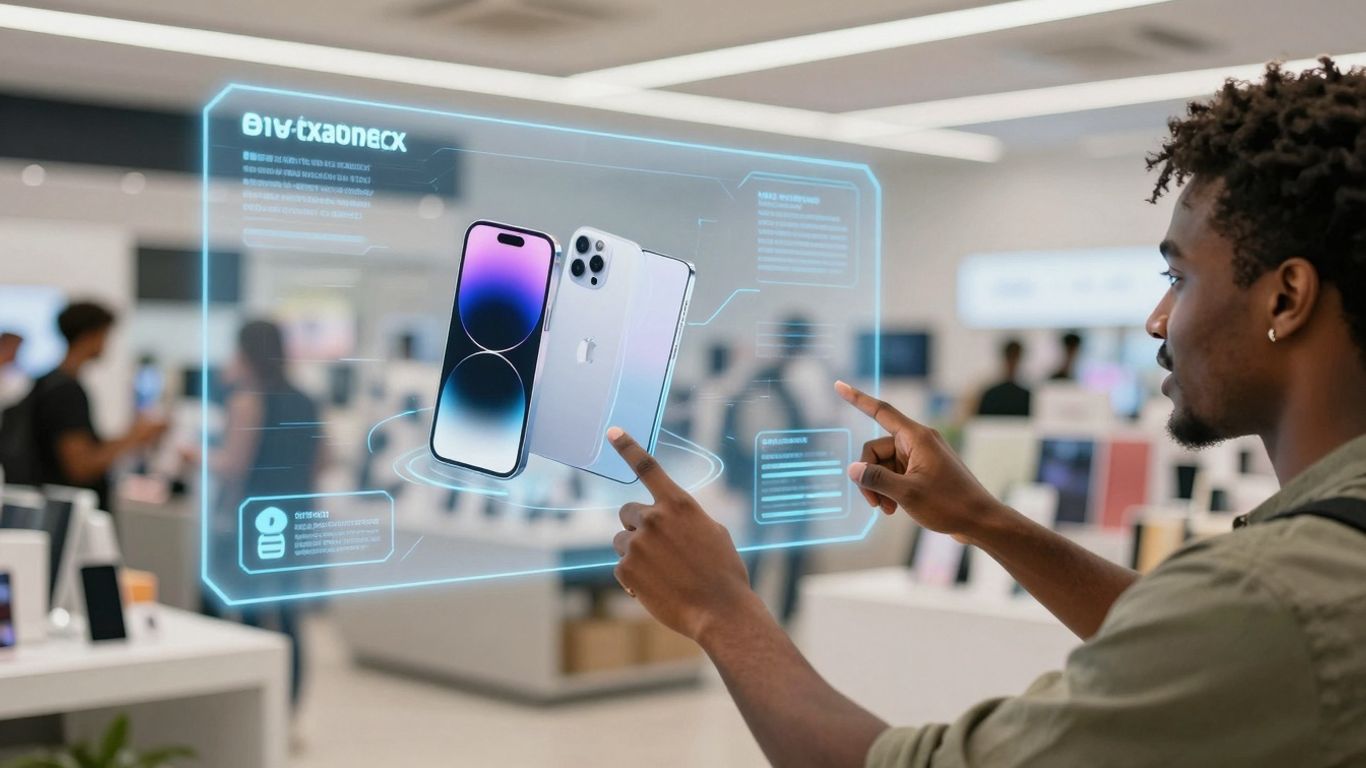
Okay, so we’ve talked about how cool AR is, but let’s get real. What does it actually do for a business? It’s not just about fancy filters or making a bus stop look like a jungle. There are some solid, measurable wins you can get from using AR in your marketing.
Boosting Purchase Intent and Reducing Returns
This is a big one. Think about buying furniture online. You see a picture, you read the description, but you’re still guessing if that sofa will actually fit your living room or if the color will clash with your rug. AR lets people see that sofa, virtually, right in their own space. They can move it around, check the size, and get a much better feel for it. This makes them way more likely to click ‘buy’.
And because they’ve already ‘tried’ it out in their home, they’re less likely to be disappointed when it arrives. That means fewer returns, which saves companies a ton of money and hassle. It’s a win-win.
Increasing Brand Recall and Customer Loyalty
Remember that Pepsi Max bus shelter stunt? People talked about it. They shared it. Why? Because it was unexpected and fun. When a brand does something memorable like that with AR, it sticks in people’s minds. It’s not just another ad they scroll past. It’s an experience.
This kind of engagement builds a stronger connection with your brand. People feel like they’ve interacted with you in a unique way, and that can lead to them choosing your brand again and again. It’s about creating fans, not just customers.
Gaining a Competitive Edge in Crowded Markets
Let’s face it, most markets are packed. Standing out is tough. If your competitors are all doing the same old ads, and you’re the one offering a cool AR experience where people can try on clothes virtually or see how a new gadget looks on their desk, you’re going to grab attention. It shows you’re innovative and that you care about giving customers a better way to interact with your products.
AR isn’t just a shiny new toy; it’s a practical tool that can directly impact your bottom line. By letting customers visualize products in their own environment, you’re not only making the buying process easier but also building trust and reducing the chances of costly returns. This leads to happier customers and a healthier business.
Here’s a quick look at some of the impacts:
- Higher Engagement: AR experiences tend to keep people interacting for longer than traditional ads.
- Better Product Understanding: Complex products become easier to grasp when visualized in 3D.
- Increased Confidence: Seeing a product in your own space removes a lot of purchase anxiety.
It’s about making marketing work harder, not just louder.
The Future of Augmented Reality Marketing Campaigns
So, where is all this AR stuff heading? It’s not just about fun filters anymore, though those are pretty cool. We’re seeing AR get woven into the fabric of how brands connect with people, and it’s only going to get more interesting. Think about how much AR is already changing things – it’s moved past being just a novelty.
Integration with Emerging Technologies
AR isn’t going to exist in a vacuum. It’s going to start playing nicely with other new tech. We’re talking about things like AI, which can make AR experiences smarter and more responsive. Imagine an AR ad that not only shows you a product but also uses AI to answer your specific questions about it in real-time. Or consider how AR might work with the Internet of Things (IoT) – maybe you point your phone at a smart appliance, and an AR overlay shows you its energy usage or suggests recipes based on what’s inside. The real magic happens when these technologies start talking to each other. It’s about creating a more connected and intuitive digital layer over our physical world.
Personalization at Scale Through AR
One of the biggest promises of AR is making marketing feel less like a broadcast and more like a one-on-one chat. Right now, getting truly personalized experiences to lots of people can be tough. But AR, combined with good data, could change that. Picture this: you’re browsing online, and an AR tool lets you see how a piece of furniture looks in your living room. Now, imagine that tool also knows your preferred style or color palette and automatically suggests options that fit your taste. It’s not just about seeing the product; it’s about seeing your version of the product, tailored just for you, without you having to do a ton of work. This level of personalization can make a huge difference in how people feel about a brand.
AR’s Evolving Role in Public Relations
PR is often about getting the word out and managing a brand’s image. AR can be a pretty neat tool for that. Instead of just reading a press release, imagine a journalist or influencer experiencing a new product launch through an AR demo right on their desk. They could virtually unbox it, see its features in action, or even get a guided tour of how it works. This kind of interactive storytelling can create much stronger impressions and more memorable coverage than traditional methods. It’s a way to show, not just tell, and that’s powerful for building buzz and shaping public perception. It’s about creating shareable moments that naturally get people talking.
Strategic Implementation of Augmented Reality Marketing Campaigns
So, you’ve seen the cool AR stuff out there and you’re thinking, ‘How do I actually do this?’ It’s not just about slapping a filter on things. Getting AR marketing right means thinking it through. It’s about making sure it actually helps your business, not just looks fancy for a week.
Understanding Your Audience’s AR Readiness
First off, who are you trying to reach? Are they the type of people who are already using AR apps, or is this going to be totally new to them? You don’t want to build something super advanced if your customers are still figuring out how to use their phone’s camera. Think about their age, their tech habits, and what kind of devices they usually use. It’s like planning a party – you wouldn’t serve caviar if everyone just wants pizza, right?
- Demographics: Age, location, and general tech-savviness.
- Device Usage: Are they mostly on newer smartphones or older models?
- Current AR Exposure: Have they interacted with AR before, perhaps on social media?
Choosing the Right AR Platforms and Technologies
Once you know who you’re talking to, you can pick the right tools. There are a bunch of ways to do AR, from simple social media filters to more complex app-based experiences. For example, if you’re a clothing brand, letting people try on shirts virtually might be a winner. If you sell furniture, letting them see how a couch looks in their living room makes sense.
The key is to match the technology to the customer’s journey and your specific marketing goals. Don’t pick a complex AR platform just because it’s new; pick it because it solves a problem or creates a unique opportunity for your audience.
Here’s a quick look at some options:
- Social Media Filters (Snapchat, Instagram): Great for quick, shareable experiences and user-generated content. Low barrier to entry for users.
- WebAR: AR that works directly in a web browser, no app download needed. Good for broad reach and product visualization.
- Dedicated Mobile Apps: For more complex, feature-rich AR experiences, like virtual try-ons or detailed product exploration.
Measuring the ROI of Augmented Reality Marketing Campaigns
Okay, so you’ve put time and money into an AR campaign. How do you know if it actually worked? You need to look beyond just ‘likes’ and ‘shares’. Think about real business results. Did more people buy something? Did fewer people return items? Did customers seem to remember your brand better?
| Metric | Traditional Campaign | AR Campaign | Notes |
|---|---|---|---|
| Purchase Intent | Moderate | High | AR helps visualize products in context |
| Return Rate | Average | Lower | Informed purchase decisions |
| Brand Recall | Moderate | Higher | Memorable, interactive experiences |
| User Engagement Time | Low | High | Users actively interact with AR content |
Tracking these numbers will show you if your AR investment is paying off. It’s about seeing if the experience you created actually led to results you care about, like sales or customer happiness.
Wrapping It Up
So, we’ve seen how augmented reality isn’t just some futuristic idea anymore. It’s here, and it’s actually working for brands right now. Forget the flashy tech for a second; the real win is how AR helps people connect with products in new ways, like trying on clothes virtually or seeing how furniture looks in their own living room. These aren’t just cool tricks; they’re smart ways to get people interested and make them feel more confident about buying. As this tech keeps getting better and easier to use, it’s a good idea for businesses to start thinking about how they can jump in. Ignoring it might mean missing out on a chance to really stand out. It’s about making marketing more interactive and memorable, and AR is a solid way to do that.
Frequently Asked Questions
What exactly is Augmented Reality (AR) and how is it used in marketing?
Augmented Reality, or AR, is like adding a digital layer on top of the real world you see through your phone or tablet. Think of it like a fun filter that shows you extra stuff. In marketing, brands use AR to let you try on clothes virtually, see how furniture looks in your room before you buy it, or play games related to their products. It makes shopping and learning about brands more interactive and exciting.
Why should businesses use AR for their marketing instead of just regular ads?
AR is cool because it grabs people’s attention way more than a normal ad. It lets customers try things out in a fun way, which helps them make better buying choices and feel more confident. Plus, when people have a cool AR experience with a brand, they remember it longer and are more likely to tell their friends. It’s a way to stand out from other companies.
Can you give examples of companies that have done well with AR marketing?
Definitely! IKEA has an app called IKEA Place where you can see how their furniture looks in your own home using AR. L’Oréal created a Makeup Genius app so you can virtually try on different makeup shades. And Pepsi Max had a famous bus stop ad where people saw amazing things happening in augmented reality through the glass. These examples show how AR can make shopping easier and create buzz.
How do social media platforms like Snapchat and Instagram use AR for marketing?
Social media apps are great for AR because so many people use them. Brands create special AR filters and lenses that you can use when you take photos or videos. This lets you interact with the brand’s characters or products in a playful way. It’s a fantastic way for brands to get users to create their own content featuring the brand, which helps spread the word.
What are the real benefits of using AR marketing, beyond just being cool?
AR marketing has some solid advantages. It can really help people decide to buy something because they’ve ‘tried’ it out virtually, which also means fewer people return items. It also makes people remember the brand better and feel more connected to it. In crowded markets, using AR can give a company a real edge over its competitors.
Is AR marketing just a passing trend, or is it here to stay?
AR is definitely more than just a trend; it’s becoming a regular part of how businesses connect with customers. As the technology gets better and easier to use, more and more companies will use it. It’s expected to become even more important in the future, especially as it combines with other new technologies to offer even more personalized and exciting experiences.