So, you’ve probably heard people talk about customers and consumers, and maybe you’ve wondered if there’s really a difference. It’s not just wordplay; understanding this distinction is actually pretty important for businesses. Think about it: who buys the product might not be the same person who actually uses it. This difference can totally change how a company approaches selling things. We’re going to break down what these terms mean and why it matters, especially when it comes to that moment your product arrives at someone’s door. Because let’s face it, that first look at the package is a big deal.
Key Takeaways
- The customer is the one who pays for the product, while the consumer is the one who uses it. These can be the same person or different people.
- The way a product is packaged and presented when it arrives – the unboxing experience – is a huge opportunity for brands.
- A good unboxing makes customers feel special and can lead them to buy again, share on social media, and feel better about their purchase.
- Packaging isn’t just about protecting the product; it’s a key part of the brand’s message and the customer’s overall feeling about the purchase.
- Making the unboxing experience thoughtful, functional, and a bit personal can turn a simple delivery into a memorable brand moment that builds loyalty.
Understanding the Customer and Consumer Difference
It might seem like splitting hairs, but knowing the difference between a customer and a consumer is pretty important for any business. They sound like the same thing, right? Well, not exactly. Let’s break it down.
Defining the Customer
A customer is the person or entity that actually buys a product or service. They are the ones handing over the money, making the transaction happen. Think of the person who walks into a store and picks out a new pair of shoes, or the one who clicks ‘buy now’ on a website. That’s your customer. They are the direct purchaser, the one with the wallet open. Businesses focus on attracting and retaining these individuals because they are the source of revenue. Understanding customer behavior is key to making sales.
Defining the Consumer
A consumer, on the other hand, is the individual who actually uses or consumes the product or service. Sometimes, the customer and the consumer are the same person. For example, if you buy a book for yourself to read, you’re both the customer and the consumer. However, they can be different. A parent buying a toy for their child is the customer, while the child playing with the toy is the consumer. Businesses need to consider both perspectives: who is buying and who is using.
Key Distinctions Between Customer and Consumer
The main difference boils down to the action: purchasing versus using. While a customer is defined by the act of buying, a consumer is defined by the act of using. This distinction matters a lot for marketing and product development.
Here’s a quick look at the differences:
- Customer: The purchaser. They make the decision to buy and complete the transaction.
- Consumer: The end-user. They use, wear, eat, or otherwise experience the product or service.
- Relationship: A customer might buy multiple items for different consumers, or a consumer might use products bought by various customers.
Understanding this difference helps businesses tailor their messages. Marketing to the person who buys might focus on value and convenience, while marketing to the end-user might focus on enjoyment and benefits.
For instance, a company selling baby food has parents as customers, but the babies are the consumers. The marketing might highlight nutritional benefits and ease of use for the parents (customers), while the product itself needs to be palatable and safe for the babies (consumers).
The Crucial Role of the Unboxing Experience
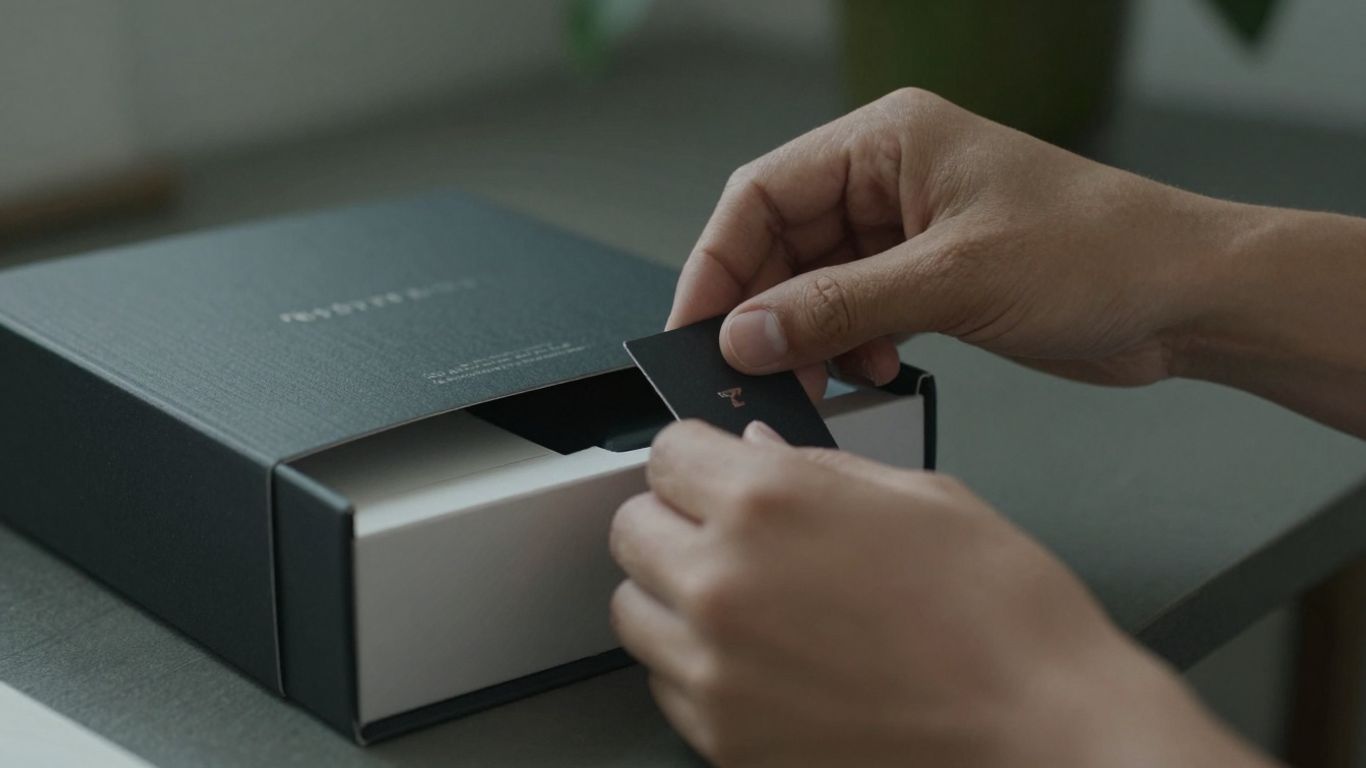
So, you’ve got a great product and a customer who’s ready to buy. Awesome! But what happens when that package finally lands on their doorstep? That moment, the unboxing, is way more important than you might think. It’s not just about getting the item from point A to point B; it’s the first real, physical interaction a customer has with your brand after they’ve clicked ‘buy’. Think of it as the grand finale to their online shopping journey, and if it’s a dud, well, that’s a missed opportunity.
What Constitutes an Unboxing Experience?
Basically, it’s everything that happens from the moment the package arrives until the product is out and ready to be used. This includes the outer box, how it’s packed inside, any extra goodies, and even how easy or difficult it is to get everything out. It’s the transition from a digital order to a tangible reality. This physical interaction is your chance to make a lasting impression. It’s where your brand’s promise meets the customer’s expectation, and getting it right can turn a one-time buyer into a loyal fan.
Why the Unboxing Experience Matters for Brands
In today’s world, people share their experiences online. A well-designed unboxing can lead to social media shout-outs and positive word-of-mouth, essentially doing your marketing for you. It’s also a powerful way to reinforce your brand identity. When a customer opens a package that feels special, it makes them feel good about their purchase. This emotional connection is key. It helps build trust and can even reduce the chances of a customer returning the item because they feel confident in their choice right away. It’s a chance to stand out in a crowded market, especially if you can’t always compete on price or speed. A great unboxing can make your brand memorable, turning a simple delivery into a delightful event.
The Unboxing Experience as a Post-Purchase Strategy
Think of unboxing not as an afterthought, but as a core part of your post-purchase strategy. It’s where your logistics, customer expectations, and brand personality all come together. For smaller businesses, in particular, this is a way to compete with bigger players. You might not have the same budget for advertising, but you can win customers over with a thoughtful and engaging unboxing. It’s about creating a moment that feels like a gift, not just a transaction. This approach can significantly impact customer loyalty and retention, making people feel valued and appreciated long after the sale is made. It’s a direct line to building a stronger relationship with your customers, turning a simple delivery into a memorable brand moment that encourages repeat business.
Here’s a quick look at what makes an unboxing stand out:
- Branded Packaging: A box that clearly shows your logo and brand colors.
- Thoughtful Interior: How the product is nestled inside, perhaps with custom inserts or tissue paper.
- Added Touches: Small extras like stickers, thank-you notes, or even samples.
- Ease of Opening: Making sure it’s not a struggle to get to the product.
The goal is to create a moment of surprise and delight, making the customer feel special and excited about their purchase. It’s about more than just the product itself; it’s about the entire experience surrounding its arrival.
Crafting a Memorable Unboxing Journey
So, your customer has clicked ‘buy,’ and the package is on its way. What happens next is a huge opportunity. It’s not just about getting the product to them; it’s about the whole experience of opening it. Think about it – when you get a gift, the wrapping and how you open it can be just as exciting as the gift itself. That’s the feeling we’re aiming for here.
Branded and Thoughtful Packaging
First off, the box itself. Does it just look like any old cardboard box, or does it scream your brand? Using custom packaging is a big deal. It’s like a billboard that arrives right at their door. When a customer sees your logo or brand colors the moment the package lands, it builds excitement and makes it clear who this special delivery is from. It’s more than just a container; it’s the first handshake your brand gives them physically. This initial impression can really set the tone for their entire experience with your product.
Functional and User-Friendly Design
While looking good is important, the box also needs to work well. Nobody likes struggling to open a package, wrestling with tape, or finding their new item damaged because the packaging wasn’t up to par. Think about how easy it is to get into the box. Is the tape strong enough for shipping but easy to cut? Is there enough padding to protect the item, especially if it’s fragile? A well-designed package protects your product and makes the opening process smooth and pleasant. This attention to detail shows you care about the customer’s experience from start to finish.
Adding Personal Touches and Delight
This is where you can really make someone’s day. Beyond the product itself, what else can you include? A handwritten thank-you note, a small sample of another product, or even a discount code for their next purchase can make a huge difference. These little extras show appreciation and can turn a regular purchase into a delightful surprise. It’s these thoughtful additions that make customers feel valued and encourage them to come back.
Here are a few ideas to get you started:
- A small, branded sticker
- A card with care instructions or brand story
- A sample of a complementary product
- A personalized note from the team
The unboxing experience is your chance to create a moment. It’s where your brand’s personality shines through, turning a simple transaction into a memorable event that customers will want to share. Making a lasting impression is key.
| Element | Impact on Customer |
|---|---|
| Branded Box | Builds excitement, reinforces brand identity |
| Protective Materials | Ensures product arrives safely, shows care |
| Easy Opening | Creates a positive, frustration-free interaction |
| Personal Touches | Makes customer feel valued and appreciated |
| Included Extras (e.g., samples) | Adds perceived value, encourages future purchases |
Leveraging Unboxing for Brand Growth
So, you’ve got a great product and a smooth checkout process. That’s awesome. But what happens when the package actually lands on your customer’s doorstep? That moment, the unboxing, is a huge opportunity. It’s not just about getting the product to them; it’s about making them feel something special. Think of it as the final, physical handshake your brand gives to a new customer. Getting this right can turn a one-time buyer into a lifelong fan.
Enhancing Customer Loyalty and Retention
Making customers feel valued is key to keeping them around. A thoughtful unboxing experience does just that. It shows you paid attention to the details, and that you care about more than just the sale. This personal touch builds a connection that goes beyond the product itself. When customers feel appreciated, they’re more likely to stick with your brand.
- Builds emotional connections: People remember how you make them feel. A delightful unboxing creates positive emotions tied to your brand.
- Increases perceived value: Fancy packaging and little extras can make the product feel more special and worth the price.
- Encourages repeat purchases: A memorable experience makes customers eager to buy from you again.
Driving Word-of-Mouth and Social Sharing
Let’s be real, people love to share cool things they get. A well-designed unboxing experience is practically begging to be shared online. Think about those unboxing videos on YouTube or Instagram hauls. When your packaging is visually appealing and exciting, customers are more likely to snap photos or record videos of themselves opening it. This is free advertising! It gets your brand in front of new eyes, people who might never have found you otherwise. It’s a powerful way to reach a wider audience organically.
The unboxing ritual taps into a basic human desire for surprise and delight, much like opening a gift. By making this moment special, brands can create a memorable experience that customers want to talk about and share.
According to Dotcom Distribution, a significant percentage of online shoppers (40%) say they’d share a picture of their purchase on social media if the packaging was branded. That’s a huge potential reach for minimal extra effort. This kind of user-generated content is incredibly trustworthy and can attract new customers who see their friends or influencers enjoying your product.
Reducing Post-Purchase Dissonance
Sometimes, after buying something, especially online, people get a little buyer’s remorse. They start wondering, "Did I really need this? Was it worth the money?" This is called post-purchase dissonance. A fantastic unboxing experience can help squash those doubts before they even start. When the package arrives and it’s beautifully presented, with clear instructions and maybe a little thank-you note, it reassures the customer that they made a good choice. It confirms that they bought from a brand that cares about quality and customer satisfaction. This positive reinforcement makes them feel good about their purchase and less likely to return the item or regret the buy. It’s all about confirming their decision was a smart one, setting the stage for future engagement with holiday perfume packaging trends and beyond.
The Impact of Packaging on Customer Perception
Think about the last time you got a package. Was it just a plain brown box, or was there something more? That first look at the box, even before you open it, tells you a lot about the company you’re buying from. It’s like the product’s first handshake with you. A beat-up, generic box can make you feel a bit uneasy, wondering about the quality inside. But a well-designed package? That can make you feel excited, like you’re about to open a special gift.
First Impressions and Brand Reinforcement
That initial impression is huge. It’s where the packaging really steps in to reinforce what your brand is all about. Is your brand seen as modern and sleek? Then maybe a minimalist design with clean lines works best. If you’re more about a rustic, handmade feel, then textured paper and earthy tones might be the way to go. It’s not just about looking good; it’s about communicating your brand’s personality before the customer even touches the product. Studies show that packaging design really does sway buying choices, with a significant number of people saying it affects what they decide to purchase. It’s a silent salesperson, working hard from the moment it arrives.
Creating Emotional Connections
Beyond just looking nice, packaging can actually make people feel things. Think about the satisfying sound of a seal breaking or the feel of quality paper. These little details add up. When a brand takes the time to make the packaging feel special, it shows they care about the customer’s experience. This can lead to a stronger connection. It’s like getting a handwritten note with your order – it feels personal and thoughtful. This kind of attention can turn a simple transaction into a positive emotional moment, making the customer feel valued and appreciated.
The Difference Between Generic and Branded Packaging
So, what’s the big deal between a generic box and one that’s clearly branded? It boils down to recognition and perceived value. A generic box is functional, sure, but it doesn’t tell a story. It could be from anywhere. Branded packaging, on the other hand, immediately tells the customer who it’s from and often hints at the quality or style they can expect. It’s a missed chance if you skip branding.
Here’s a quick look at how they stack up:
| Aspect | ❌ Generic Packaging | ✅ Branded Packaging |
|---|---|---|
| Brand Recognition | Low | High |
| Perceived Quality | Average | Often Higher |
| Emotional Connection | Minimal | Potential for Stronger |
| Likelihood to Share | Low | Higher |
When you choose branded packaging, you’re not just sending a product; you’re sending a piece of your brand identity. It’s an opportunity to make a lasting impression and encourage customers to think about your brand long after they’ve opened the box.
Practical Elements of a Superior Unboxing
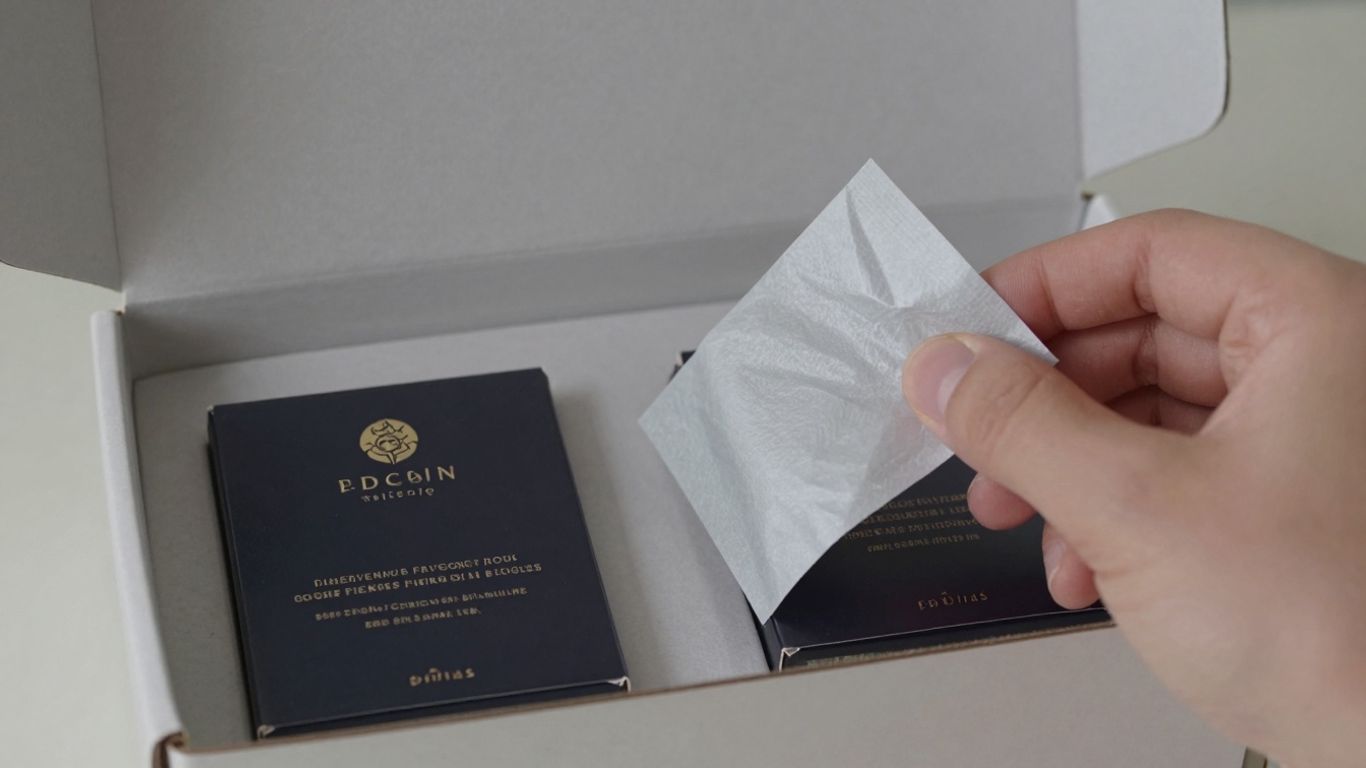
So, you’ve got the fancy box and the cool branding, but what actually makes the moment someone opens your package good? It’s not just about looking pretty; it’s about making the whole process smooth and even a little bit exciting. Think about it: the customer can’t physically interact with your product until it arrives. That first touchpoint, the unboxing, is your chance to make a real impression. Getting these practical details right can turn a simple delivery into a memorable brand moment.
Seamless Delivery and Communication
Before the box is even opened, the journey matters. How did it get there? Was the shipping fast? Did the customer get updates? Nobody likes a surprise delivery with no heads-up, or worse, a package that looks like it’s been through a wrestling match. Clear communication about shipping times and tracking information helps manage expectations. When the package arrives, it should look presentable, not battered. This initial stage sets the tone for the entire unboxing experience.
Product Presentation and Organization
Once the box is open, what does the customer see? Is it a jumbled mess of bubble wrap and product, or is there a sense of order? How you arrange the items inside makes a big difference. Using custom inserts or compartments can keep things secure and make them look neat. Even simple things like folding tissue paper neatly or placing the main item front and center can make the product feel more special. It’s about showing you put thought into how the customer would receive their order.
The Power of Free Samples and Inserts
Who doesn’t love a little extra something? Adding free samples or small, branded inserts can really boost the perceived value of the purchase. It’s a great way to introduce customers to other products they might like or to share a quick note about your brand. These small additions can make the customer feel appreciated and give them a reason to explore more.
The unboxing experience isn’t just about the final product; it’s about the entire journey from the moment the customer clicks ‘buy’ to when they hold the item in their hands. Every step, from clear communication about shipping to the way items are arranged inside the box, contributes to the overall feeling the customer gets about your brand.
Here are a few things to consider for a better unboxing:
- Clear opening instructions: Make it easy to get into the box without damaging the contents. Think tear strips or well-placed tabs.
- Protective yet appealing filler: Use materials like crinkled paper or branded tissue that not only protect the product but also look good.
- A thank-you note or small gift: A handwritten note or a small, relevant freebie can go a long way in making the customer feel valued.
- Product placement: Arrange items so the most important or visually appealing product is seen first.
Wrapping It All Up
So, we’ve talked a lot about how the way a package arrives can really make a difference. It’s not just about getting the product to someone’s door; it’s about that whole experience from the moment they see the box to when they finally open it up. Making that part special, whether it’s with a nice note, cool packaging, or just making it easy to open, can turn a regular purchase into something memorable. This can make people feel good about their choice and more likely to come back. It’s a simple idea, really: treat that delivery moment like a chance to connect, and you might just find your customers stick around longer.
Frequently Asked Questions
What’s the difference between a customer and a consumer?
Think of it this way: a customer is someone who buys a product, like your mom buying a new video game. A consumer is the person who actually uses it, like you playing that video game. Sometimes, the customer and consumer are the same person, but not always!
Why is the way a package looks so important?
When your package arrives, it’s like the first real handshake your brand gives to a customer. If the box looks cool and special, it makes people feel excited and happy about their purchase. It’s a chance to make a great first impression that sticks with them.
What does ‘unboxing experience’ mean?
It’s everything that happens from the moment someone gets your package until they open it and see the product. It includes how the box looks, how easy it is to open, and any little surprises inside. It’s about making the whole process feel special, not just like getting a delivery.
Can a cool package really make someone buy again?
Yes! When opening a package feels like a fun experience, people remember how good it made them feel. This makes them more likely to trust your brand and want to buy from you again. It’s like getting a gift that makes you smile!
How can I make my packaging more exciting without spending a lot?
You don’t need fancy materials! Simple things like a handwritten thank-you note, a cool sticker, or making sure the box is easy to open can make a big difference. Using colors or textures that match your brand also helps make it feel special.
Is sharing unboxing videos online a big deal?
Totally! People love watching videos of others opening cool packages. If your packaging is exciting, customers might even share their own unboxing videos or photos online. This is like free advertising for your brand, reaching lots of new people!