The way people buy cars is changing, and fast. It used to be all about going to the dealership, kicking the tires, and talking to a salesperson. Now, a lot of that can happen right from your couch. This shift to online buying, or automotive e-commerce, means dealerships and car companies need to think differently about how they reach customers and make sales. If you want to do well in the car world in 2025, you’ve got to get online and make it easy for people to buy from you digitally. This article looks at how to do just that.
Key Takeaways
- Making your car buying process digital is no longer optional; it’s how customers want to shop.
- Use technology like virtual tours and AI to make the online car buying experience better.
- Connect your online and physical stores so customers have a smooth experience no matter how they shop.
- Pay attention to customer data to understand what they want and how to reach them effectively.
- Think about selling directly to customers and building strong relationships to keep them coming back.
Navigating the Evolving Automotive E-Commerce Landscape
The way we buy cars and car parts is changing, and fast. It’s not just about browsing online anymore; it’s a whole new ballgame. Think about it – a few years ago, buying a car online felt like a distant dream for most people. Now, it’s becoming pretty common, and the market for selling cars and parts online is just exploding.
Understanding the Market’s Rapid Expansion
The automotive e-commerce market is growing at a pace that’s pretty wild. We’re talking about billions of dollars changing hands online for vehicles, parts, and accessories. This isn’t just a small trend; it’s a major shift. More and more people, from everyday drivers looking for a new set of tires to mechanics needing specific parts for a repair, are turning to the internet. It’s just more convenient, and the selection is usually way bigger than what you find at your local shop.
- The online automotive market is projected to reach over $200 billion by 2029.
- This growth is fueled by people wanting easier ways to shop and the industry itself getting better at selling online.
- Even businesses that fix cars are buying more parts online, expecting the same kind of easy experience they get when shopping for themselves.
This digital shift means businesses that don’t adapt risk getting left behind. Having a strong online presence isn’t just a nice-to-have anymore; it’s a must-have for staying competitive.
Key Drivers of Digital Transformation
So, what’s pushing all this change? A few big things come to mind. First off, everyone’s got a smartphone these days, making online shopping super accessible anytime, anywhere. Then there’s the tech itself – things like AI are starting to make online shopping feel more personal, suggesting parts you might need before you even know it. Plus, imagine being able to ‘see’ a car in your driveway using augmented reality before you buy it. That’s the kind of stuff that makes buying online more appealing.
- Widespread smartphone use: People are connected and ready to shop 24/7.
- AI and machine learning: These tools help personalize the shopping experience and predict customer needs.
- Immersive technologies: Things like AR showrooms make online browsing more engaging.
Global Reach and Market Accessibility
One of the coolest parts about selling online is that you’re not just limited to your local neighborhood anymore. E-commerce platforms break down those geographical walls. A small shop selling rare vintage car parts, for example, can now reach collectors all over the world. This global reach is a game-changer, especially for specialized items where local demand might be small. It opens up whole new customer bases that were previously out of reach, making the market much bigger for everyone involved.
Leveraging Technology for Enhanced Customer Experiences
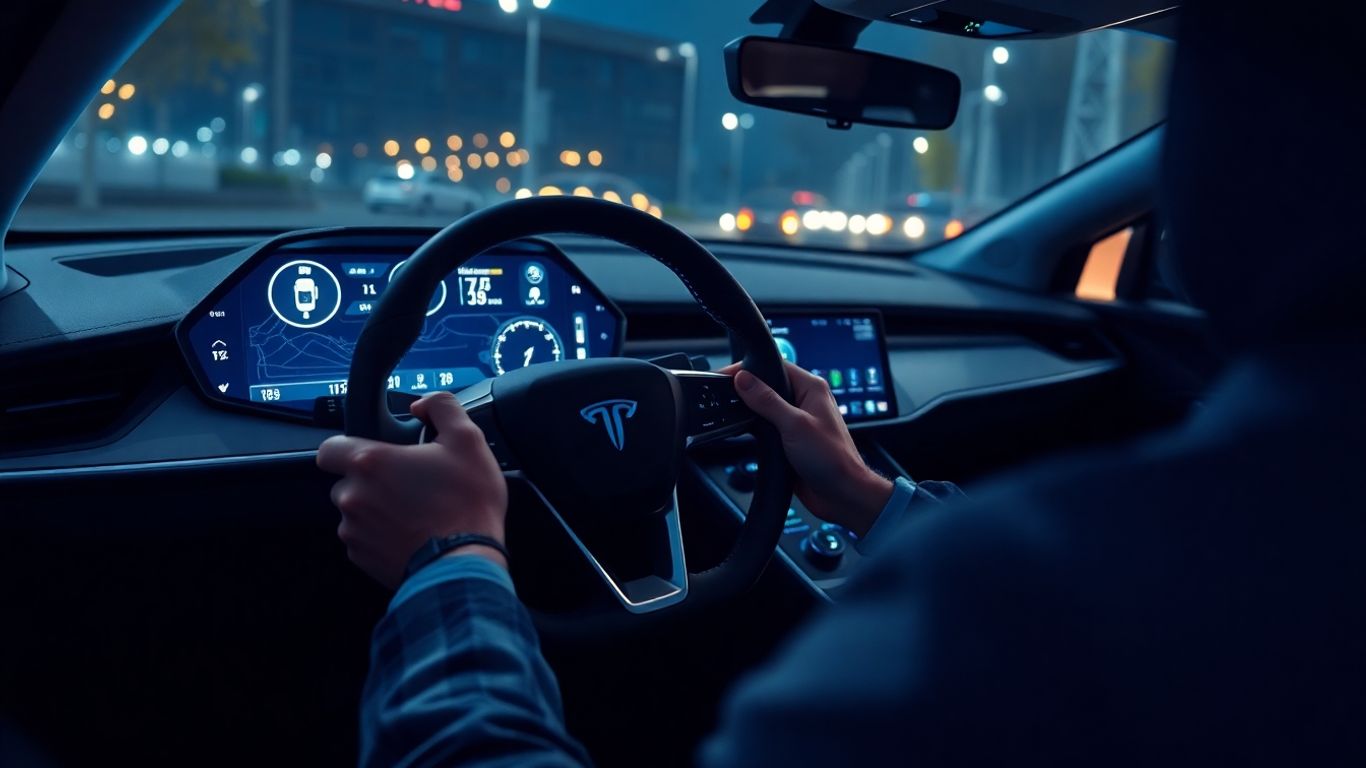
It’s not just about having a website anymore; it’s about making that website work for you and your customers. Think about how you shop for things online – you want it to be easy, right? The automotive world is catching up, and technology is the key. We’re seeing some really cool stuff that makes buying cars and parts way less of a headache.
AI-Powered Personalization and Predictive Analytics
Artificial intelligence is changing how car companies connect with buyers. Instead of a one-size-fits-all approach, AI can look at what a customer likes and predict what they might want next. This means showing you ads for cars or parts that actually fit your style, not just random stuff. It’s like having a salesperson who really knows your taste. This kind of smart tech helps car brands connect with buyers on a more personal level, making the whole experience feel more relevant. Automakers are increasingly using AI to revolutionize their operations, particularly in marketing and sales, where the most significant and immediate benefits are anticipated. This AI-driven transformation is reshaping the entire automotive value chain.
Augmented Reality Showrooms and Virtual Tours
Forget dusty lots and pushy salespeople. The new way to look at cars is through digital showrooms and virtual tours. Imagine walking around a car, opening doors, and checking out the interior, all from your screen. High-quality videos are a big part of this, showing off the car’s features and how it drives. This kind of content really helps people get a feel for the vehicle before they even think about a test drive. It’s a way to make the online experience feel more real and engaging, cutting down on the need for initial in-person visits. Think of it as a preview that builds excitement and confidence. Showing how parts fit with specific vehicle models using augmented reality can also help customers verify fitment before purchase.
Streamlining the Digital Buying Journey
Nobody likes a complicated process, especially when buying something as big as a car. The goal now is to make the entire journey, from start to finish, as simple as possible. This means cutting out unnecessary steps and making sure information is clear and easy to find. Customers want to move from browsing to buying without hitting roadblocks. This could involve things like online financing applications that are quick and easy, or digital tools that help you figure out exactly which car fits your needs and budget. When the path to purchase is clear and straightforward, people are much more likely to complete the sale. It’s all about removing friction and making the experience pleasant.
Here’s a quick look at what makes a digital buying journey smooth:
- Clear product descriptions and high-quality images.
- Easy-to-use configurators for customization.
- Transparent pricing and financing options.
- Simple checkout and delivery scheduling.
Making the online car buying process as straightforward as possible is key. Customers expect convenience and clarity at every step, from initial research to final delivery. Removing any confusion or extra effort significantly boosts the chances of a sale and builds customer satisfaction.
This integrated approach across various channels is essential for providing a great customer experience. By merging online and offline platforms, dealerships can create a unified journey that exceeds consumer expectations at every interaction point. For example, customers can initiate their research online, visit a physical showroom for a test drive, and finalize their purchase online. Customer relationship management (CRM) systems play a big role in this, monitoring customer interactions across all channels to help personalize communication and improve service.
Data-Driven Strategies for Automotive E-Commerce Success
Understanding Customer Preferences Through Data Analytics
In today’s automotive e-commerce world, just having a website isn’t enough. You really need to dig into what your customers are doing and what they want. Every click, every search term, every time someone leaves something in their cart – it all tells a story. By looking at this information, you can start to see what people are actually looking for. Are they interested in electric SUVs, or maybe something more classic? Do they seem to prefer sorting out financing online, or do they want to talk to someone in person? Analyzing this data helps you spot trends you might otherwise miss.
It’s like having a cheat sheet for your customers. This kind of insight is what helps dealerships figure out how to sell cars in a changing economy. Knowing more about what people are looking for and how they behave helps you find and connect with potential buyers more effectively. It’s about getting ahead of the curve.
Tailoring Marketing and Advertising Efforts
Once you have a good handle on what your customers like, you can start making your ads and marketing messages speak directly to them. Instead of a one-size-fits-all approach, you can create campaigns that feel personal. Think about sending emails that remind people about a car they looked at before, or showing them ads for vehicles that match their past searches. This makes your marketing much more effective because it’s relevant to the person seeing it.
Personalization isn’t just about ads, though. It should touch every part of the customer’s experience. For example, if someone configures a car online, that information should be saved so they don’t have to start over if they visit a dealership. Removing these little annoyances makes the whole process smoother and more likely to end in a sale. It shows you’re paying attention to their needs.
Personalization Across the Entire Customer Journey
Making the buying process easier is a big deal. People expect things to be quick and simple these days. If a customer is looking at a car on their phone, the website needs to work perfectly on that screen. Offering different ways to pay, like financing options that are easy to understand or even buy-now-pay-later plans, can make a big difference. It’s about removing any hurdles that might make someone hesitate.
The goal is to make the entire experience, from the first time someone visits your website to the moment they drive away in their new car, as smooth and pleasant as possible. This means thinking about every single touchpoint and making sure it’s positive. When the journey is good, people are more likely to complete their purchase and even come back in the future.
Here’s a look at how different data points can shape a customer’s journey:
- Website Clicks: Track which models, features, and pages users visit most often.
- Search Queries: Analyze keywords used to understand specific needs and interests.
- Abandoned Carts: Identify points of friction in the checkout or configuration process.
- Demographic Data: Understand age, location, and lifestyle to tailor offers.
- Past Purchase History: Predict future needs and offer relevant upgrades or accessories.
The Rise of Direct-to-Consumer Models
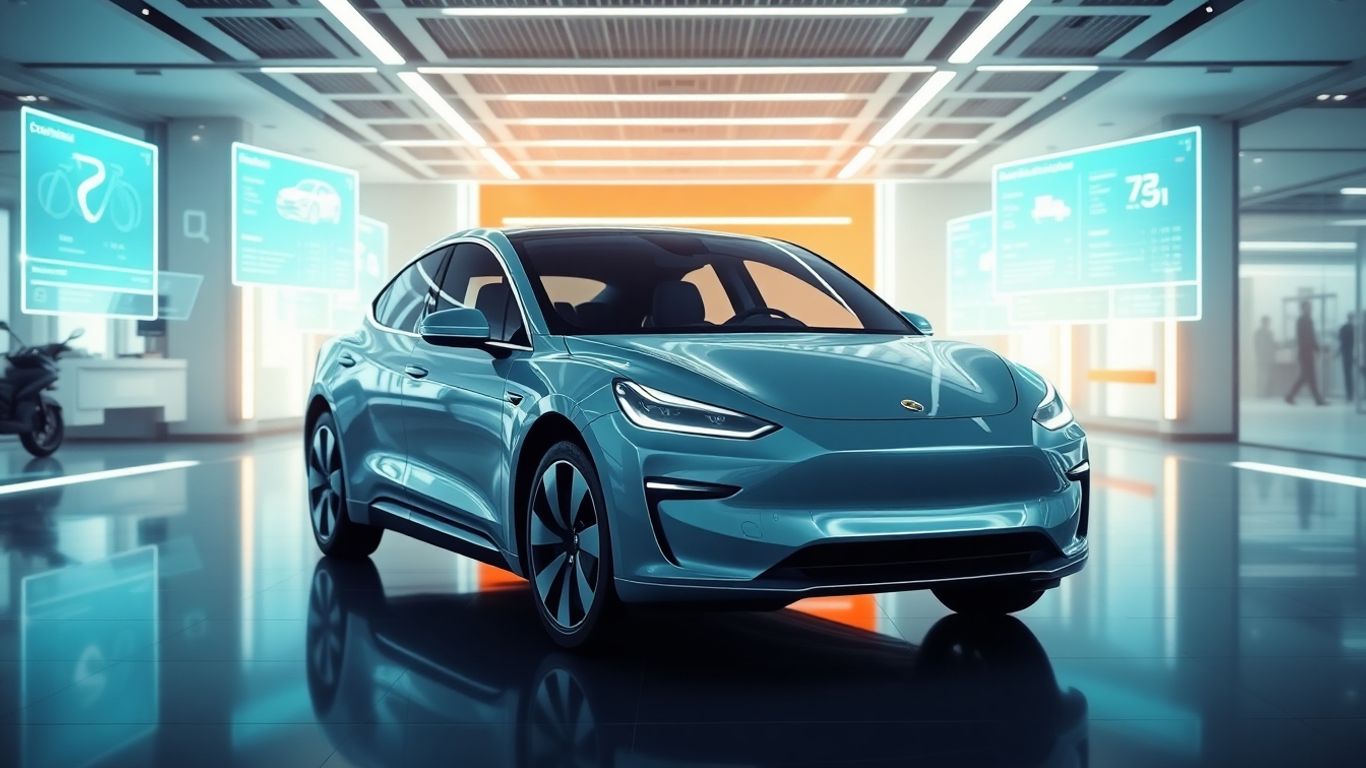
Building Direct Relationships with Buyers
The old way of selling cars, where a brand relied on dealerships as the main point of contact, is really changing. Now, car companies are looking at ways to connect directly with the people who buy their vehicles. This means building relationships that go beyond just a single sale. It’s about creating a connection from the moment someone starts looking at a car online, all the way through owning it and maybe even buying another one down the road. Think about it like this: instead of just being a transaction, it becomes more of a partnership. This direct approach lets brands get to know their customers better, understand what they really want, and offer them things that feel more personal.
Manufacturer-Led Online Sales Strategies
Many car manufacturers are now taking the reins themselves when it comes to selling online. Instead of letting dealerships handle everything, they’re setting up their own digital storefronts. This gives them a lot more control over how their cars are presented and sold. They can manage the pricing, the customer service, and the overall buying experience from start to finish. Tesla has been a big player here, showing that selling cars directly online can work really well. Other companies are following suit, especially with electric vehicles, because it allows them to control the narrative and build a consistent brand image. It’s a way to cut out some of the middle steps and talk straight to the buyer.
Ensuring a Seamless Omnichannel Experience
Even with more direct sales, people still want options. They might start researching a car on their phone, then visit a physical showroom to see it in person, and maybe even complete the purchase online. This is where the idea of an omnichannel experience comes in. It means making sure that every touchpoint a customer has with the brand – whether it’s online, on a mobile app, or in a store – feels connected and smooth. There shouldn’t be any jarring transitions. Information should carry over, and the customer should feel like they’re dealing with one unified brand, not separate entities. This blend of digital and physical makes buying a car much more convenient and less of a hassle.
Here’s a look at how different channels can work together:
- Online Research: Customers browse models, compare features, and read reviews on the manufacturer’s website or app.
- Virtual Showroom: Interactive 3D models and virtual tours allow customers to explore vehicles remotely.
- Test Drive Booking: Easy online scheduling for test drives at a convenient location.
- Personalized Offers: Digital tools can present tailored financing options and trade-in values.
- In-Store Experience: Dealerships (or brand experience centers) focus on test drives, finalizing details, and customer support.
- Digital Delivery: Options for home delivery or convenient pickup after purchase.
The goal is to remove friction at every stage. Customers expect to move between online and offline interactions without losing momentum or having to repeat themselves. This integrated approach builds trust and makes the entire process feel more modern and customer-centric.
Adapting to Shifting Consumer Demands
People today expect a lot more, and they want things done their way, often quickly. They aren’t just looking for a car; they’re looking for a whole experience. This means businesses really need to be flexible. For example, offering different payment plans or even options for business buyers like purchase orders can make a big difference. Chatbots are also becoming really important for answering questions right away and guiding people through the buying process.
Meeting Expectations for Convenience and Speed
Customers are used to getting what they want, when they want it. Think about how fast you can order almost anything online and have it at your door. The automotive world is catching up. This means making the entire process, from browsing to buying, as smooth and quick as possible. Online tools that let you compare models side-by-side, get instant quotes, or even schedule test drives without a phone call are becoming standard. The goal is to remove any friction points that might make a customer think twice.
The Impact of Mobile Commerce on Purchasing
It’s no surprise that phones are a huge part of this. More and more people are doing their car shopping, researching, and even buying right from their mobile devices. This means that websites and online stores absolutely must work perfectly on phones and tablets. If your checkout process is clunky or takes too long on a small screen, you’re going to lose customers. Think about making forms short and offering lots of payment choices. It’s all about making it as easy as possible for someone to buy on the go. The automotive e-commerce market is projected to grow significantly, with mobile playing a big role in global sales.
Flexible Financing and Payment Options
Buying a car is a big deal, and not everyone can pay upfront. Offering a variety of financing options is key. This includes traditional loans, leasing, and even newer options like subscription services. Being transparent about interest rates, monthly payments, and terms is also super important. People want to see all their choices clearly laid out so they can pick what works best for their budget.
The automotive industry is experiencing a digital transformation that goes far beyond simply moving budgets from print to digital. Data shows that automotive websites now average 11.2K sessions and 25.79K views, demonstrating the increasing importance of digital presence. What makes 2025 different? It’s the convergence of several key factors: AI maturity, consumer behavior shifts, channel diversification, and economic pressures requiring more efficient marketing spend.
| Financing Option | Description | Key Benefit |
|---|---|---|
| Traditional Loan | Standard financing through a bank or lender. | Predictable monthly payments. |
| Leasing | Renting a vehicle for a set period. | Lower monthly payments, option to upgrade frequently. |
| Subscription | All-inclusive monthly payment covering vehicle, insurance, and maintenance. | Simplicity and flexibility. |
| Buy Now, Pay Later (BNPL) | Short-term financing for smaller purchases or down payments. | Spreads out immediate costs. |
The Growing Importance of Sustainable Mobility Online
It’s pretty clear that people are thinking more about the planet these days, and that includes when they’re buying cars. Online platforms are becoming a big deal for showing off and selling greener options. Think electric vehicles (EVs), hybrids, and cars made with recycled materials. This shift isn’t just about looking good; it’s about meeting customer demand and building a brand that cares.
Showcasing Electric Vehicles and Eco-Friendly Options
Online stores and manufacturer websites are now featuring dedicated sections for EVs and eco-friendly models. This makes it easier for shoppers to find what they’re looking for. You’ll see detailed specs on battery range, charging times, and the environmental benefits. Some sites even have comparison tools so you can see how different green cars stack up against each other. It’s all about making the information accessible and easy to digest.
Addressing Consumer Concerns for Environmental Impact
People have questions, and they want answers before they buy. Online platforms can provide this by offering transparent information about a car’s lifecycle impact. This includes details on manufacturing processes, the sourcing of materials, and end-of-life recycling programs. Think about FAQs that cover battery disposal or carbon footprint calculators. Building trust through openness is key here.
The Role of Online Platforms in EV Adoption
Online channels are really helping to speed up how quickly people are adopting EVs. They offer educational content, virtual test drives, and easy ways to compare models and pricing. Plus, many platforms are integrating information about charging infrastructure and government incentives, which can be a big deciding factor for buyers. It’s about removing the barriers and making the switch to electric feel less daunting.
Here’s a look at how online interest in EVs is growing:
- Information Hubs: Websites dedicated to explaining EV technology and benefits.
- Virtual Showcases: Online 3D models and walkarounds of electric cars.
- Incentive Navigators: Tools to help buyers find local and national EV rebates.
- Community Forums: Spaces for owners to share experiences and advice.
The future of car buying is undeniably linked to sustainability. Online platforms have the unique ability to educate, inform, and simplify the process of choosing and purchasing greener vehicles, making them a vital tool for both consumers and manufacturers looking to drive the transition to e-mobility.
Wrapping It Up
So, as we’ve seen, the automotive e-commerce world is really picking up speed. It’s not just about having a website anymore; it’s about making the whole buying process smooth and easy, whether someone’s looking for a new car or just a specific part. Using smart tech like AI to help customers find what they need, offering virtual tours so they can really see the vehicle, and making sure the checkout is a breeze are all big deals. Plus, with more people caring about the planet, electric vehicles are becoming a major focus online. The key takeaway here is that businesses need to stay on top of these changes, use customer data wisely, and be ready to adapt. If you can do that, you’ll be in a good spot to succeed in this fast-moving market.
Frequently Asked Questions
Why is buying cars online becoming so popular?
It’s all about making things easy and fast! People can look at cars, compare prices, and even finish buying them without leaving home. It saves a lot of time and hassle compared to going to a dealership.
How does technology like AI help people buy cars online?
AI can help in many ways! It can suggest cars you might like based on what you’ve looked at before, answer your questions instantly with chatbots, and even help figure out the best financing options for you. It makes the whole process feel more personal and less confusing.
What are virtual car showrooms?
Imagine walking around a car and seeing its features from your computer or phone, like you’re really there! Virtual showrooms use cool technology like videos and 3D views to let you check out cars online before you even visit a dealer. It’s like a sneak peek that makes the experience more exciting.
Why are electric cars (EVs) becoming more important online?
More people care about the environment and want cleaner cars. Online stores are showing off more electric options and explaining how they work, like charging and saving money on gas. This makes it easier for people to learn about and choose EVs.
What does ‘direct-to-consumer’ mean for car buying?
This means car companies sell directly to you online, instead of always going through a separate dealer. It helps them control the whole experience, from when you first look at a car to when you get the keys. This can make things smoother and build a stronger connection between you and the brand.
Why is customer data important for car websites?
Websites use data to understand what customers like you are looking for. By seeing what cars you search for or what features you like, they can show you more of what you want and make ads that are more helpful. It’s like having a personal shopper who knows your taste.