Ever look at your closet and think, ‘I wish I had *that*?’ Or maybe you’re tired of clothes that just don’t fit right. Well, guess what? You can actually learn how to make your own clothing. It might sound a bit daunting at first, like, ‘Can I really do this?’ But honestly, it’s totally doable. Whether you want to whip up a unique dress or just fix up some old jeans, this guide is here to help. We’ll walk through everything from getting ideas to actually sewing the pieces together, making custom clothes a reality for you.
Key Takeaways
- Get inspired by anything around you, from nature to art, to start designing unique clothes.
- Learn to create patterns either by changing existing ones or drafting them from scratch for a perfect fit.
- Master basic sewing skills and fabric prep to build your custom garments with confidence.
- Transform old clothes or use creative additions to make your wardrobe truly yours.
- Focus on accurate measurements and small adjustments to achieve flattering fits and build versatile pieces.
Unlocking Your Creative Vision For Custom Apparel
Ever feel like you’re constantly searching for clothes that just aren’t out there? Making your own garments is the ultimate way to get exactly what you want. It’s about taking control and creating pieces that truly speak to your personal style. This section is all about getting that creative spark going and figuring out how to turn your ideas into actual clothing.
Finding Inspiration For Unique Garments
Inspiration can pop up anywhere, really. It might be a cool texture on an old building, a color combination in a painting, or even a silhouette from a vintage movie. Don’t just look at fashion magazines; look at the world around you. Think about the way a flower petal folds, or the pattern on a piece of pottery. These details can translate into unique embroidery, fabric choices, or design lines for your clothes. Keeping an eye on what’s trending is fine, but the real magic happens when you add your own twist to it. The goal is to find something that excites you and then figure out how to put it onto fabric.
Developing Patterns From Existing Designs
Once you have an idea, you need a pattern. A good starting point is to work with patterns you already have. You can take a commercial pattern and tweak it. Maybe you want to change the neckline, shorten the sleeves, or combine elements from two different patterns. It’s like giving an existing recipe a personal flavor. This is a really accessible way to start, especially if you’re new to pattern making. You get the basic structure, and then you get to play with the details.
Drafting Patterns From Scratch
If you want total control, drafting from scratch is the way to go. This means you’re creating the pattern pieces yourself, based on your body measurements. It takes a bit more effort and understanding of how flat pattern pieces translate to a 3D body, but the payoff is huge. You can create any shape or style you can imagine, with a fit that’s made just for you. It’s a more involved process, but it opens up a world of possibilities for truly unique garments.
Drafting from scratch gives you the most freedom, but adapting existing patterns is a fantastic way to learn the ropes and still create something personal. Both methods are valid and lead to custom clothing.
Mastering The Art Of Garment Construction
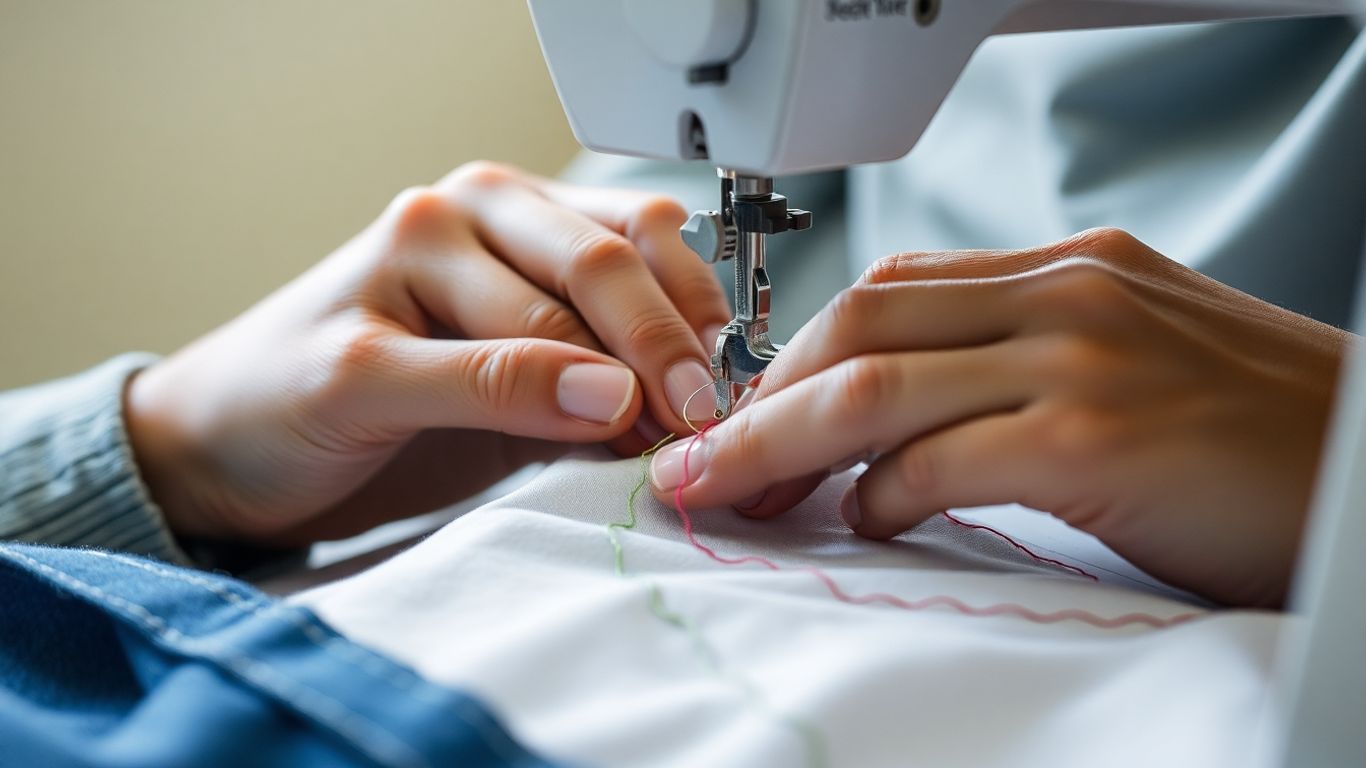
So, you’ve got your design sketched out and your pattern ready to go. Awesome! Now comes the part where we actually turn that flat piece of fabric into something you can wear. It might seem a little intimidating at first, but honestly, it’s where the magic happens. We’re going to walk through the steps to get your project from a pile of cloth to a finished garment that looks and feels great.
Preparing Your Fabric For Success
Before you even think about threading a needle, you need to get your fabric ready. Think of it like prepping your ingredients before cooking – it makes everything else go smoother. The biggest thing is pre-washing. Seriously, don’t skip this. Natural fibers, especially cotton and linen, will shrink when you wash them, and you don’t want your brand-new dress suddenly becoming a mini-dress after its first wash. Washing it beforehand takes care of that. After washing and drying, give it a good press with your iron. Getting out all those wrinkles makes cutting your pattern pieces way more accurate. It’s a small step, but it makes a huge difference in the final outcome.
Essential Sewing Techniques For Beginners
Now for the actual sewing. You don’t need to know a million stitches to get started. A few basics will get you pretty far. The straight stitch is your workhorse for seams and topstitching. Then there’s the zigzag stitch, which is super handy for finishing raw edges so they don’t fray, and it’s great for knits too. Don’t forget the backstitch – it’s how you secure your seams at the beginning and end so they don’t just unravel. If you’re making something with volume, like a skirt or a puffy sleeve, learning to gather fabric is a game-changer.
Here’s a quick rundown:
- Straight Stitch: For seams, hems, and general construction.
- Zigzag Stitch: For finishing edges and sewing stretchy fabrics.
- Backstitch: To lock your stitches at the start and end of seams.
- Gathering: To create fullness and texture.
Paying attention to small details, like clipping curves so seams lie flat or pressing seams open as you go, really makes a homemade garment look more professional. It’s these little things that add up.
Bringing Your Designs To Life With Draping
Draping is a bit different from pattern-based sewing. Instead of using a paper pattern, you’re working directly with fabric on a dress form. It’s a really intuitive way to create shapes, especially for more complex or flowing designs. You pin and shape the fabric on the form until you get the look you want, then you mark it, take it off, and create a pattern from that draped shape. It’s a hands-on method that lets you see how the fabric falls and moves in three dimensions. For those looking to explore more advanced pattern-making, checking out resources like Closet Core Patterns can be really helpful.
| Garment Type | Key Techniques | Difficulty Level | Special Considerations |
|---|---|---|---|
| Silk Dress | French seams, delicate hand stitching | Intermediate | Use fine needles and silk thread. Avoid pulling fabric. |
| Denim Jeans | Flat-felled seams, topstitching | Intermediate | Use heavy-duty needles and strong thread. Reinforce stress points. |
| Stretch Knit Top | Zigzag stitch, twin needle stitching | Beginner | Use ballpoint needles and stretch thread. Test stitches. |
Transforming Existing Wardrobe Pieces
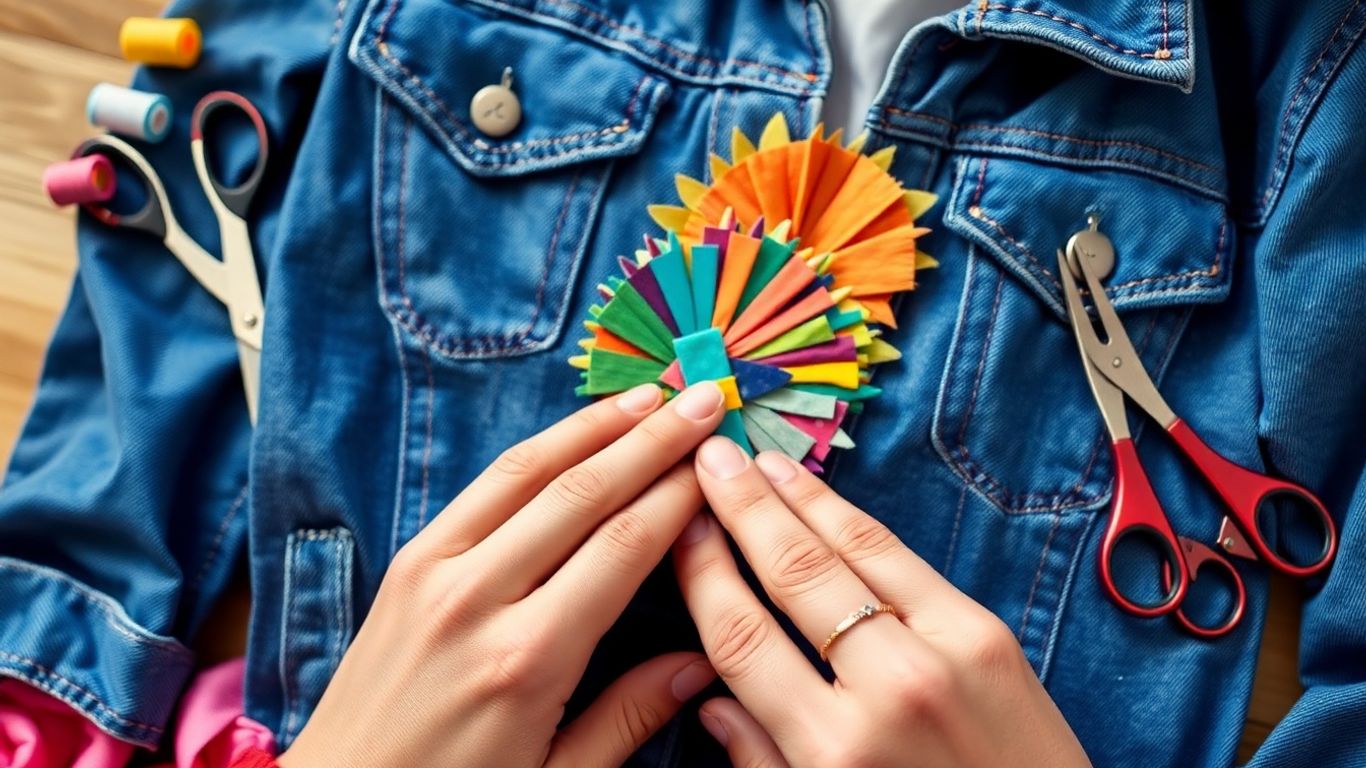
Sometimes, the best way to get a unique look is to start with something you already own. Your closet is probably full of items that, with a little imagination, can become something totally new and exciting. It’s like a treasure hunt for style, right in your own home.
Reimagining Old Clothes Into New Styles
This is where the real fun begins. Think about that pair of jeans that don’t quite fit right anymore, or that shirt that’s a bit too plain. You can turn them into something completely different. For instance, old denim can become a stylish skirt or even a tote bag. An oversized button-down shirt might be transformed into a chic, fitted top. It’s all about seeing the potential in what you have. You can even try some simple no-sew DIYs to add flair to garments, using things like fabric glue and scissors for quick embellishments transform old clothes into new creations.
Perfecting Fit Through Practical Alterations
Even if you don’t want to change a garment’s style drastically, making it fit better can make a world of difference. A simple hem on pants or a dress can make it look much more expensive and tailored. Taking in the sides of a shirt or adjusting straps can make an item go from ‘okay’ to ‘perfect’. These small adjustments are often all it takes to make an old favorite feel brand new again.
Here are some common alterations and what they can do:
- Hemming: Shortens the length of pants, skirts, or dresses. Makes them the right length for your height or shoes.
- Taking In: Reduces the width of a garment, usually at the sides. Great for making tops or dresses fit more closely to your body.
- Strap Adjustment: Shortens or lengthens shoulder straps. Fixes tops or dresses that are too loose or too tight in the bust area.
Adding Visual Interest With Creative Embellishments
Want to give a plain item some personality? Embellishments are your best friend. You can add patches, embroidery, beads, or even interesting fabric scraps. This is a fantastic way to make a piece truly your own and stand out from the crowd. It doesn’t take a lot of skill to add a few decorative stitches or iron on a cool patch.
Sometimes, the most creative solutions come from looking at what you already have. Instead of always buying new, consider the possibilities hidden within your current wardrobe. It’s a more personal and often more budget-friendly way to build a style you love.
These techniques allow you to update your look without spending a fortune or contributing to fast fashion waste. It’s about being resourceful and creative with what’s already available.
Structural Modifications For Garment Reinvention
Sometimes, you look at a piece of clothing and just know it needs a bigger change than a simple hem or dart. That’s where structural modifications come in. We’re talking about fundamentally altering a garment’s shape or purpose. Think turning a long dress into a stylish midi skirt, or maybe combining two old shirts into one completely new top. It’s a bit more involved than basic alterations, but the payoff can be huge, giving you a totally unique item.
Identifying Potential In Foundational Pieces
Not every item in your closet is a prime candidate for a major makeover. You want to start with pieces that have good bones. Look for garments made from decent fabric that isn’t too worn out. Classic shapes and simple designs are usually the easiest to work with. A well-made, but perhaps outdated, jacket or a pair of sturdy trousers can be a great starting point. It’s about seeing the hidden possibilities.
Building A Custom Wardrobe With Intention
When you start making bigger changes to your clothes, it’s a good time to think about your whole wardrobe. Instead of just fixing one item, consider how it fits into your overall style. Are you building a collection of pieces that work well together? This approach helps you create a closet that truly reflects you and your needs, rather than just accumulating random items. It’s about making thoughtful choices that lead to a more cohesive and satisfying personal style. You might find it helpful to plan out your ideal custom wardrobe. planning techniques
Sustainable Choices In Fabrics And Techniques
Making structural modifications is a fantastic way to be more sustainable. Instead of buying new, you’re giving old clothes a new life. This reduces waste and your fashion footprint. When choosing what to modify, consider the fabric. Some materials are easier to work with for these kinds of changes than others. Natural fibers like cotton or linen can be quite forgiving. Also, think about the techniques you’ll use. Simple, strong stitches will hold up better for more drastic changes. It’s a way to be creative and kind to the planet at the same time.
Achieving The Perfect Fit And Silhouette
Accurate Measurements For Custom Clothing
Getting the fit just right is probably the most satisfying part of making your own clothes. It’s where you go from a general idea to something that feels like it was made just for you. And it all starts with taking good measurements. You can’t just guess; you need to know your actual body. Grab a soft measuring tape and a friend if you can, because some spots are tricky to reach on your own. Measure your bust at the fullest part, your natural waist where you bend, and your hips at the widest point. Don’t forget things like your inseam and shoulder width. These numbers are the foundation for everything else.
Making Small Tweaks For Flattering Results
So you’ve got your measurements, and you’ve drafted a pattern. Great! But here’s where the magic really happens: making little adjustments. Sometimes, a pattern might add a bit too much room, or not enough in a specific spot. This is called ‘ease,’ and it’s what makes clothes comfortable to wear and move in. You might need to take in a seam a little here, or let it out a bit there. Clipping curves and pressing seams flat as you go also makes a huge difference. It’s these small details that stop your homemade clothes from looking, well, homemade.
Designing For Versatility And Personal Style
Think about how you’ll actually wear the clothes you make. Do you want a dress that can be dressed up or down? Maybe a top that works with several different skirts or pants? Designing for versatility means thinking about the silhouette – the overall shape of the garment. A-line skirts are generally flattering, while a very fitted bodice might need more precise fitting. Consider adding details like adjustable straps or drawstrings that let you change the look or fit. It’s about creating pieces that not only fit your body but also fit your life and your personal style, making them go-to items in your wardrobe.
Essential Tools For Your Sewing Journey
Getting started with making your own clothes doesn’t require a massive investment, but having the right tools makes a world of difference. Think of them as your trusty sidekicks in the creative process. You don’t need everything all at once, but a few key items will set you up for success.
Must-Have Basics For Every Sewing Kit
These are the absolute essentials, the things you’ll reach for again and again. Don’t skimp on quality for these basics, as they’ll impact your results directly.
- Fabric Scissors: Seriously, get a pair dedicated only to fabric. Using them on paper dulls them fast, and you want clean cuts. Trust me, your fabric will thank you.
- Measuring Tape: A flexible, non-stretchy measuring tape is your best friend for getting accurate body measurements and cutting fabric correctly. Look for one with clear markings.
- Pins: You’ll need plenty of pins to hold fabric pieces together before and during sewing. Ballpoint pins are good for knits, while standard pins work for wovens.
- Seam Ripper: Mistakes happen to everyone, even seasoned pros. A seam ripper is a lifesaver for carefully undoing stitches without damaging your fabric.
- Needles: Have a variety pack of hand-sewing needles. You’ll also need machine needles, and it’s good to have a few different sizes on hand for various fabric types.
- Tailor’s Chalk or Fabric Marker: For marking lines, dots, and adjustments directly onto your fabric. Make sure it’s erasable or washable!
Advanced Tools For Complex Projects
Once you’re comfortable with the basics and ready to tackle more intricate designs or work with trickier fabrics, these tools can really level up your game.
- Rotary Cutter and Mat: These are fantastic for cutting fabric quickly and precisely, especially for straight lines and multiple layers. It takes a little practice, but it’s a game-changer for accuracy.
- Dress Form: If you plan on doing a lot of fitting or draping, a dress form that matches your measurements can be incredibly helpful. It’s like having a silent assistant.
- Iron and Ironing Board: Pressing your seams as you sew is non-negotiable for a professional finish. A good steam iron and a sturdy board make this step much easier and more effective.
- Serger (Overlocker): While not strictly necessary for beginners, a serger finishes seams beautifully and quickly, preventing fraying and giving your garments a store-bought look. It’s a significant investment, but many sewists find it indispensable.
Digital Pattern Making Software
This is where things get modern. If you’re interested in drafting your own patterns from scratch or making complex digital adjustments, software can be a powerful tool.
- Pattern Design Software: Programs like Valentina, SewWhat-Pro, or even more advanced CAD software allow you to create, edit, and print patterns digitally. This can save on paper and make pattern manipulation much easier.
- 3D Design Software: For those who want to visualize their designs before cutting fabric, software like CLO 3D or Browzwear lets you create realistic 3D models of garments. It’s a big leap, but it can help catch design flaws early.
Choosing the right tools is a personal journey. Start with the basics, and as your skills and projects grow, you’ll naturally discover what else you need. Don’t feel pressured to buy everything at once; build your toolkit gradually as your confidence and ambition expand.
From Passion Project To Profitable Venture
So, you’ve been making clothes for yourself, maybe for friends, and people are starting to notice. They love your unique style, the way things fit just right, and they’re asking if you could make something for them. This is often how a hobby turns into something more. The custom apparel market is actually growing, which is pretty cool if you think about it. People are looking for clothes that aren’t just off the rack; they want something that says something about them.
Understanding The Custom Apparel Market
It’s not just a niche thing anymore. Globally, custom clothing is a significant part of the fashion world, and places like Europe already have a big chunk of it. The Asia Pacific region is seeing some serious growth, too. Why? Well, people have a bit more money to spend, and there’s this big push for fashion that’s made more responsibly and, of course, is totally unique to the person wearing it. Think about it: instead of contributing to the endless cycle of fast fashion, you’re creating something lasting and personal.
Here’s a quick look at how custom-made stacks up:
| Factor | Custom-Made Clothes | Mass-Produced Clothing |
|---|---|---|
| Fit | Perfectly tailored to your body | Generic sizing, may need alterations |
| Style | Reflects individual personality | Limited options, follows trends |
| Sustainability | Reduces waste, supports ethical making | Contributes to fast fashion |
| Quality | Typically higher materials and build | Often lower quality materials |
| Cost | Generally more expensive | Generally less expensive |
While the price tag might be higher, the benefits of a perfect fit, expressing your own style, and knowing your clothes were made with care often make it worth it.
Turning Your Craft Into A Business
If you’re thinking about making this more than just a weekend project, there are steps to take. It starts with figuring out what you want to offer. Are you going to focus on everyday wear, special occasion outfits, or maybe alterations and repairs? Building a brand, even a small one, is important. This means thinking about your business name, how you’ll present your work (maybe a simple website or social media page), and how you’ll price your creations. Don’t forget to factor in your time, materials, and skill. It’s a balance between making a profit and keeping your prices reasonable for your customers.
Starting a business from a passion can be incredibly rewarding. It allows you to share your skills and creativity with others while building something of your own. The key is to approach it with both creativity and a practical mindset, understanding the business side as much as the making side.
Maintaining Your Custom Garments
Once you’ve made something amazing, or if you’re selling your creations, people will want to know how to take care of them. This is where providing clear care instructions comes in. Different fabrics and construction methods need different treatment. For example, delicate silks might need hand washing, while sturdy cottons can often go in the machine. Knowing the best way to wash, dry, and iron your garments will help them last much longer, which ties back into the idea of sustainable fashion. It’s all part of the complete package when you’re creating custom clothing.
Your Style, Your Way
So, there you have it. You’ve learned about finding inspiration, making patterns, sewing things together, and even fixing up old clothes to make them new again. It might seem like a lot at first, but really, it’s just about taking it one step at a time. You can make clothes that fit you perfectly and look exactly how you want them to. Plus, you’re doing something good for the planet by not buying new all the time. Don’t be afraid to try things out, make mistakes, and learn as you go. Your wardrobe is waiting for your personal touch, and honestly, it’s pretty cool to wear something you made yourself. Go ahead, start creating!
Frequently Asked Questions
What’s the best way to start making my own clothes if I’m a total beginner?
Start simple! Begin by learning basic sewing stitches like the straight stitch and zigzag stitch. Try making easy projects like tote bags or simple pillow covers first. Then, move on to modifying existing clothes or using very simple patterns for garments like skirts or basic tops. Don’t forget to pre-wash your fabric – it’s a small step that makes a big difference!
Where can I find ideas for unique clothing designs?
Inspiration is everywhere! Look at nature, art, old movies, or even textures you see around you. Browse fashion magazines, Pinterest, or Instagram for trends, but always think about how you can add your own personal touch. Sometimes, just looking at a piece of clothing you already own can spark an idea for a new design.
How do I make sure my homemade clothes fit me well?
Accurate measurements are super important! Learn how to measure yourself correctly for things like your bust, waist, and hips. When you’re making a pattern, you can either start from scratch using your measurements or adjust a store-bought pattern. Always try to make a ‘muslin’ or test version of your garment out of cheap fabric first to check the fit before cutting into your good material.
What are the most important tools I need to begin sewing?
You don’t need a lot to start! A good pair of fabric scissors, pins, a measuring tape, tailor’s chalk or a fabric marker, and a sewing machine are key. A seam ripper is also a lifesaver for when you make mistakes! As you get more advanced, you can add more specialized tools.
Is it better to alter old clothes or make new ones from scratch?
Both are great! Altering old clothes is a fantastic way to refresh your wardrobe and is often easier for beginners. Making clothes from scratch gives you total control over the design and fit. Many people enjoy doing both – it’s all about what you want to achieve and what materials you have available.
Can I actually make money by selling clothes I make?
Absolutely! If you’re good at sewing and have a unique style, there’s a market for custom-made clothing. You could start by selling to friends and family, then maybe set up an online shop. Think about what makes your clothes special and how you can share that with others. It takes effort, but turning a passion into a business is totally possible.